
The Popular Music of Popular Theatre in Japan The Music of Taishu Engeki, Written and Published by Liam Hallin
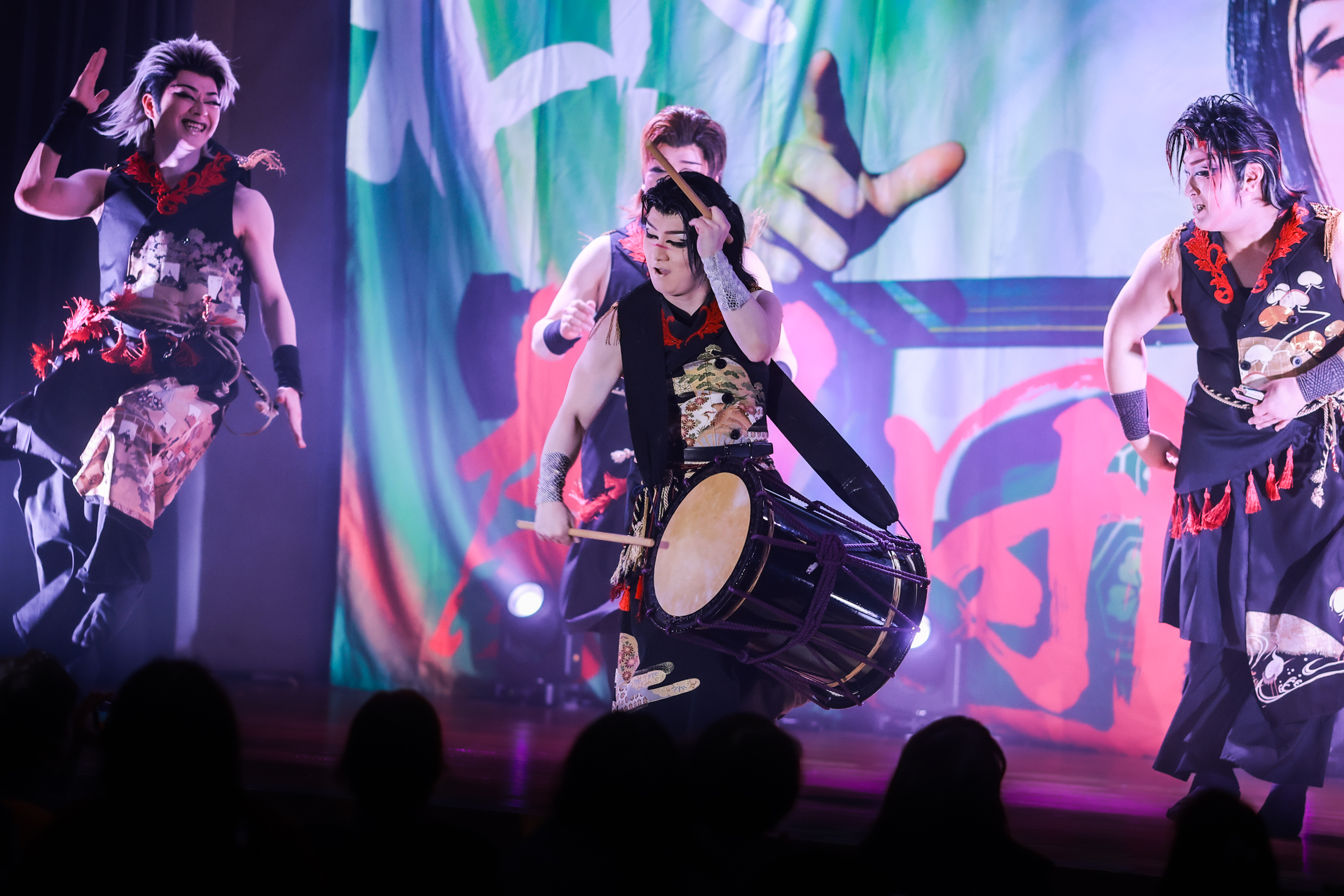
Theatre Group Gekidan Mimatsu with a Taiko drum
In Taishu Engeki, guests are able to enjoy historical storytelling and dramatic theatre in a very traditional Japanese style. However, also included in a Taishu Engeki show is the very unique experience of a Japanese dance show. But, you never know what atmosphere to expect at a Taishu Engeki dance show. However, what you can expect, is the pleasure of about a dozen extremely unique, short dance performances, which may include a large, choreographed performance featuring multiple, if not all the members of a Taishu Engeki theatre troupe, or it may include a solo, duo, or small group performance. But, each individual dance performance is extremely unique, and uses its own genre of music, channeling the group/performer’s creativity.
The Heart of Taishu Engeki – Enka Music
As every individual dance performance is different, the music is also extremely varied. It can range from very traditional, old-fashioned Japanese music, to music made popular from recent anime, to K-pop, or whatever the individual performer wishes to choreograph their dance to. However, the most used genre within Taishu Engeki is arguably Enka 演歌, which directly translates in English to “performance song”.
Enka music is typically emotional Japanese ballads, with dramatic vocals, focusing on themes such as heartbreak, loneliness, nostalgia, hardship. In English or Western culture, you could compare Enka music to the likes of Frank Sinatra, Johnny Cash, Phantom of the Opera, and older Disney music from films such as Beauty and the Beast, Cinderella, etc. Some of the most popular Enka songs in Japan include:
- Kawa no Nagare no You ni (Like The River Flows), by Hibari Misora
- Tsugaru Kaikyou Fuyugeshiki (Winter View of the Tsugaru Strait*), by Sayuri Ishikawa
- Kita no Yado kara (From the Northern Inn), by Miyako Harumi
- Hakone Hachiri no Hanjirou (Hanjirou from Hakone Pass), by Kiyoshi Hikawa
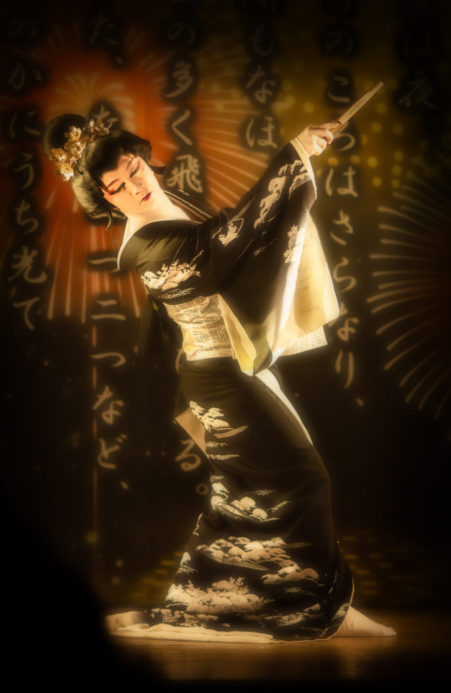
Koyuji Matsukawa
This music creates a slower atmosphere, and not your typical dance routine. This music will be used for more of a Japanese “Buyo” 舞踊 dance. This kanji directly translates to “traditional Japanese dance”.
This usually involves a traditional kimono and slow movements, to the beat of the dramatic Enka ballad music. Although there are also many modern themes in Taishu Engeki dance performances, Enka music and Buyo dances are the strongest and most prevalent themes you can experience when attending a show.
This is more comparable to dramatic, theatrical, interpretive dance, rather than something which is fast and choreographed. It may also involve accessories such as a parasol (decorative umbrella), sensu fan, or other traditional items.
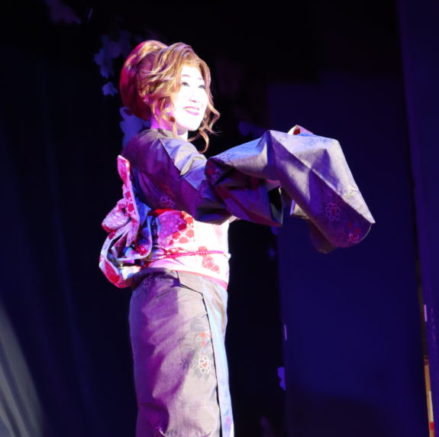
Miki Hojo, from Tachibana Gekidan
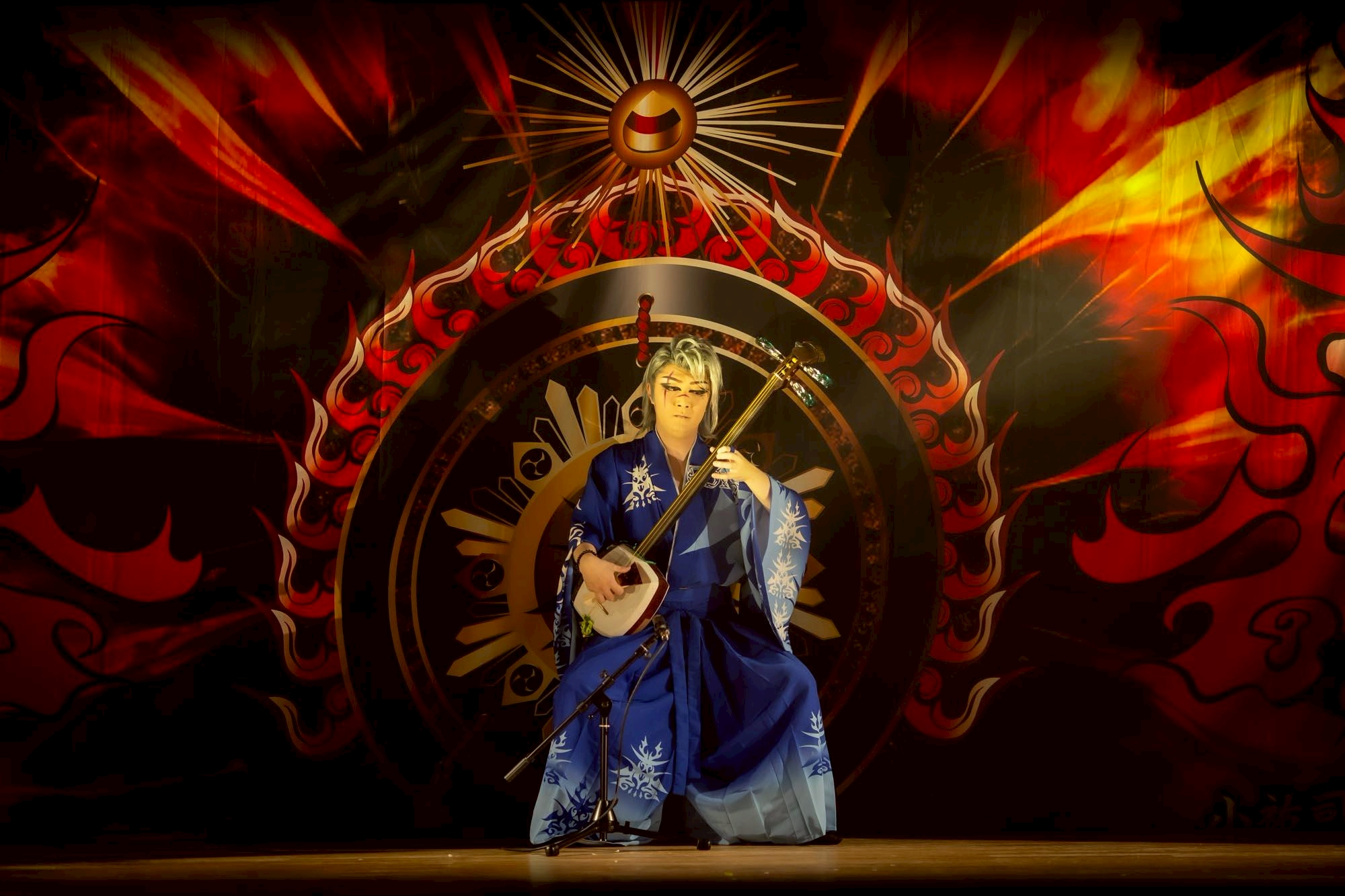
Matsukawa Koyuji
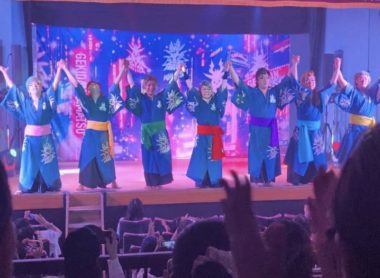
Gekidan Mimatsu
The Shamisen, and Japanese Folk Music
One of the most popular, traditional musical instruments used in Taishu Engeki shows is the Shamisen(三味線). The kanji of Shamisen literally translates to “three flavors of strings”, but more correctly translates to “three-stringed instrument”. The Shamisen is a traditional stringed instrument comparable to a guitar or banjo, which uses a small plucking tool. Shamisen is less often heard in Enka music, but more often in Japanese folk music.
Japanese folk music can be a mix of both traditional and modern styles, and are often so old that the author is unknown. Some popular Japanese folk songs often found in Taishu Engeki performances are:
- Soran Bushi – Traditional fishermen’s song from Hokkaido
- Tankou Bushi, Coal miner’s song from Fukuoka
- Kuroda Bushi – samurai song from Fukoka based on old stories
- Aizu Bandaisan – song from Fukushima
- Yasugi Bushi – Merchant and bard song from Shimane.
A personal favorite Japanese folk song of mine is “Tsuki No Aion”, by Akira Ikuma, a fusion of Okinawan folk music and modern festival music. It was a loud, energetic performance, and catchy chanting, even if you don’t understand Japanese. I saw the theatre group Gekidan Mimatsu perform this song here at the Asakusa Mokubakan Theatre in March of 2026, and immediately added the song to my personal playlist.
It’s difficult to describe how various the music and atmosphere of a Taishu Engeki dance show can be. Every show, every day is choreographed and planned differently, and the individual dance numbers within each show are also wildly different. We can’t tell you what to expect, except to enter the theatre with an open mind, and prepare to immerse yourself in an incredibly local experience in Japan. Every few minutes, the performance on stage can change to anything such as a slow onnagata performance, or a child in an old grandma costume, an upbeat and energetic modern dance number, or a group’s musical comedy sketch.
If you are interested in witnessing the music of Taishu Engeki for yourself,
the theatre offers a different theatrical drama and dance show every single day.
You can read more about Taishu Engeki history and culture here
You can purchase tickets for the Asakusa Mokubakan theatre show here
Written & Published by Liam Hallin