
How Taishu Engeki Performers Build A Bond Like No Other. The connection between the performer and the long-time fans
If you have ever attended a kabuki performance at the National Theatre in Tokyo, you know the feeling: you are a spectator, separated from the stage by an invisible but very real wall. The performers are untouchable, remote, almost divine. Taishu Engeki (大衆演劇) is the exact opposite and that contrast is one of the big appeals of the art form.
An Intimate Stage
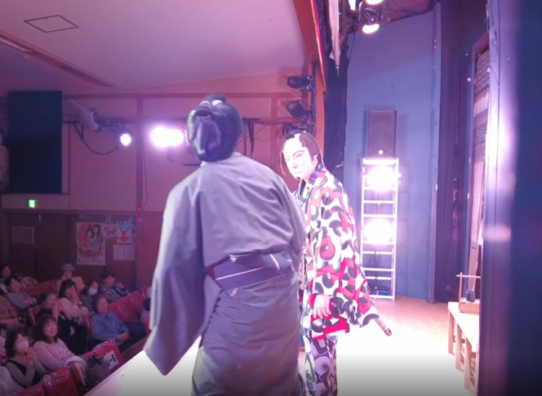
One of the first things you notice at a Taishu Engeki show is how low the stage sits. There is no elevated platform distancing performers from the crowd. The physical architecture itself sends a message: “you are welcome here”. Audience members sit close enough to catch the eye of their favourite actor, and that proximity is intentional, not incidental.
Actors routinely step off the stage entirely, weaving through the rows of seats, shaking hands, making eye contact, and even sharing a laugh with regulars they recognise from previous nights. This fluid movement between stage and audience is not an exception; it is a defining feature of the art form.
Devotion, to and from the Audience
Because performers and spectators share the same space, taishu engeki actors are extraordinarily attuned to the mood of the room. They adapt their lines, their timing, and even the tone of a scene based on the audience’s energy. A laugh from the front row can spark an improvised exchange; a collective silence can deepen a dramatic moment. This responsiveness means that even the same play, performed on consecutive nights, becomes a unique experience each time.
The connection does not end when the curtain falls. After each show, a ritual called okuridashi takes place: the entire cast lines up in the lobby, or outside the theatre to greet audience members, sign autographs, and pose for photographs. Dedicated fans bring flowers, envelopes of cash, a custom known as go-shugi and handwritten letters. Some follow the same troupe from city to city as it travels across Japan, building relationships with performers over months and years.
In many ways, taishu engeki pioneered what Japan now calls oshi-katsu: the culture of passionately supporting a favourite performer. Long before social media fandom existed, these travelling troupes were cultivating loyalty through genuine human contact.
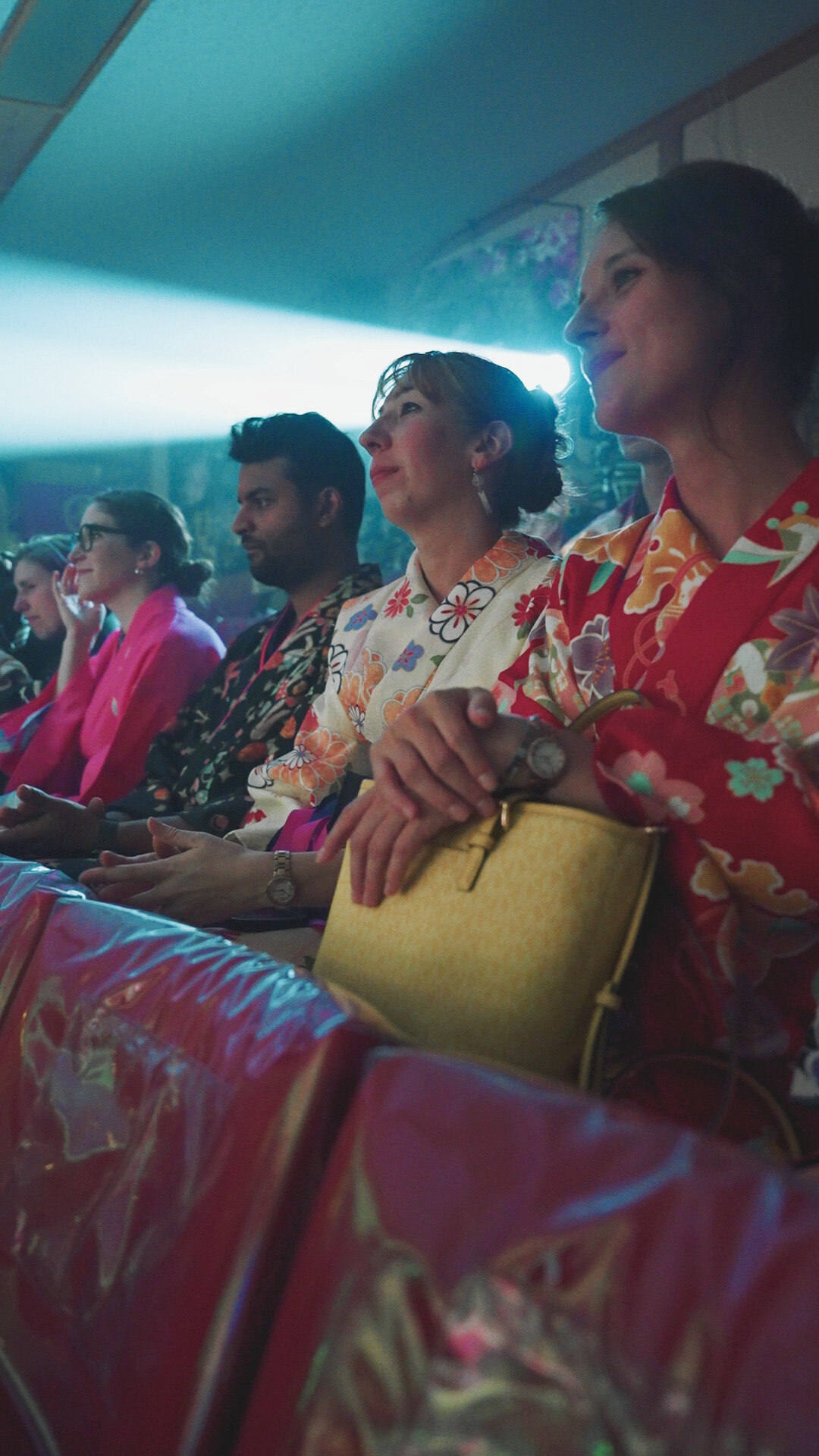
In an age of streaming and screens, the intimacy of taishu engeki feels almost radical. It reminds us that theatre, at its core, has always been about people in a room together breathing the same air, moved by the same story. Taishu Engeki never forgot that truth. And its audiences, night after night, keep coming back because of it.