
Ryoukan Hotel Entertainment, Taishu Engeki
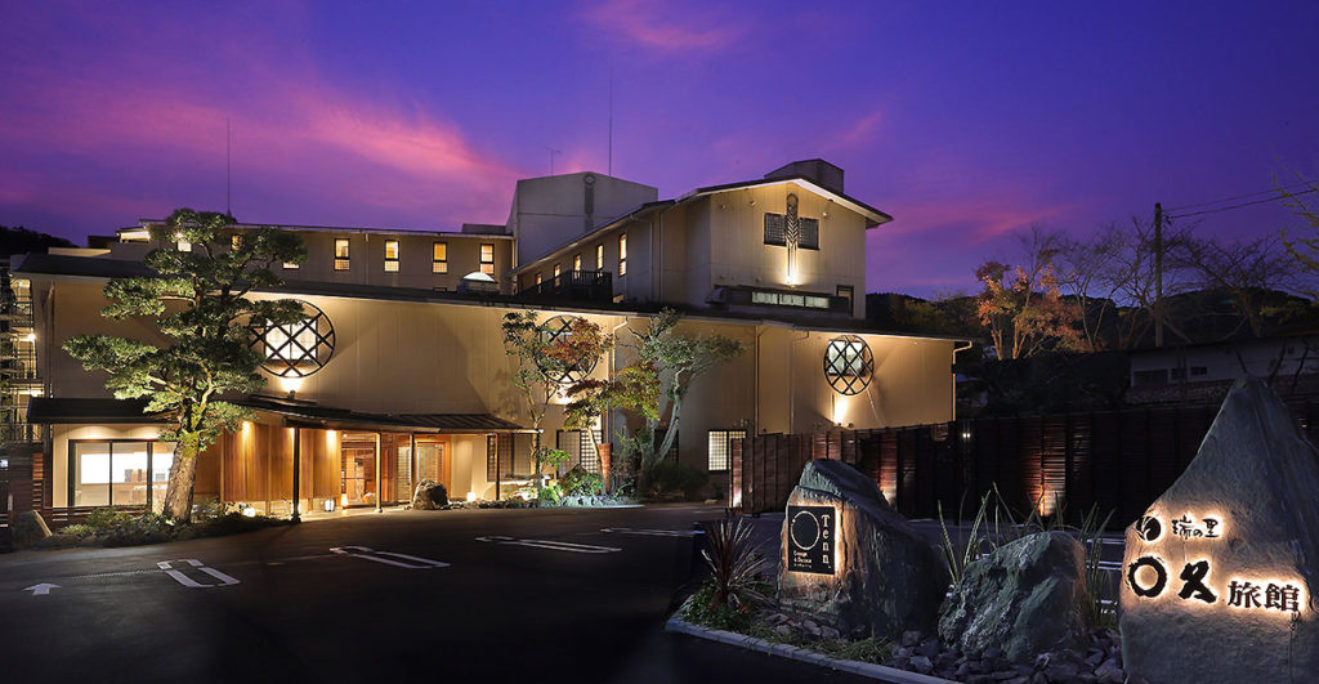
When picturing Japanese nightlife, images of Tokyo’s neon-lit streets, izakaya alleys, and late-night karaoke may come to mind. However, long before modern entertainment districts defined Japan, a very different nightlife thrived across the country. In Japan’s historic onsen towns, the evenings once revolved entirely around relaxation, community, and live performance.
Today, most foreign visitors experience a stay at a traditional ryokan when visiting outside the big cities. Guests typically check in, change into a comfortable yukata, enjoy the hot springs and a multi-course dinner, and then sleep on a futon. Yet historically, the ryokan experience included many more forms of post-dinner entertainment.
During Japan’s postwar tourism boom and throughout the economic bubble years of the 1980s, hot spring towns functioned as miniature entertainment destinations. Hotels were purposefully designed to entertain guests long after dinner. These massive resorts offered everything from geisha performances and enka concerts to karaoke rooms, game arcades, and fully equipped theaters built right inside the facilities.
Among the most distinctive forms of onsen entertainment was Taishu Engeki. This traditional style of popular theater, performed by highly talented traveling troupes, combined intense drama, dance, music, and elaborate costumes. Because it offered a deep sense of nostalgia and shared experience, Taishu Engeki became a natural, beloved extension of the ryokan stay.
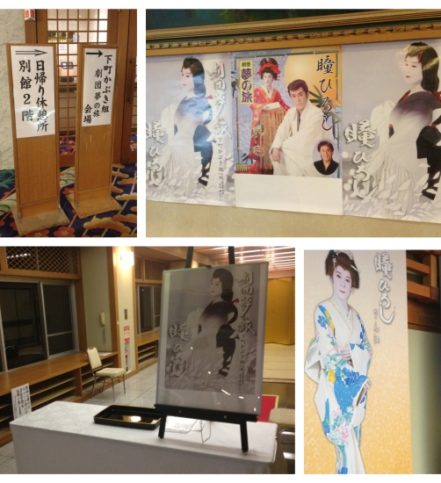
A typical historic evening seamlessly blended this relaxation with live entertainment. Guests would begin their night with a soothing hot spring bath, followed by a traditional multi-course kaiseki dinner. Still wearing their comfortable yukata, they would simply stroll down the hallway to the hotel’s theater or a nearby entertainment complex. Inside the complex, locals, regular fans, and first-time visitors all gathered together to watch the traveling Taishu Engeki theatre troupe bring vibrant stories to life on stage. After the captivating performance came to a close, guests would return to the baths one last time before finally retiring to their futons.
Unlike fast-paced city bars or crowded clubs, this form of nightlife was remarkably inclusive. Elderly couples, families with children, and solo travelers could all sit together in the same room to enjoy the exact same show. Hence the translation of Taishu Engeki, “theatre for everyone”. Rather than emphasizing excitement or excess, the atmosphere focused on comfort and emotional connection. Both onsen culture and Taishu Engeki perfectly embody the Japanese concept of iyashi: ‘healing and emotional comfort’, providing that much-needed relaxation, and the slowing down of everyday life.
Over time, this unique world gradually began to disappear. The collapse of Japan’s bubble economy, a sharp decline in corporate company retreats, shifting travel habits, and the rise of modern digital entertainment all contributed to the closure of countless resort theaters.
Yet, traces of this forgotten nightlife proudly survive today. In modern times, smaller Taishu Engeki groups still make trips to various local ryokans, hotels, and health centres as part of their performance circuit around Japan. Visitors who stumble upon these ryokan shows discover a quieter, enchanting form of nightlife rarely mentioned in modern guidebooks.
Perhaps the true spirit of Japanese nightlife was never solely found in the bustling cities. For generations, it also lived in the peaceful onsen towns where guests, wrapped in yukata, gathered after dark to watch stories unfold on stage. By preserving the interconnected traditions of the hot spring bath and the Taishu Engeki theater, these remaining venues offer a glimpse into a nightlife built around tradition, community, and the simple pleasure of ending the day together.