Japan's Most Famous Local Theatre - The Shinohara Engeki in Asakusa What's the story?
Taishu Engeki—often translated as “theater for the masses”—is a vibrant, informal cousin to Kabuki. Characterized by emotional humanistic dramas, thrilling swordplay, elaborate dance shows, and an incredibly intimate distance between the actors and the audience, it has been beloved by the Japanese public since the Edo period.
During the mid-20th century, these traveling troupes were the pinnacle of popular entertainment, performing in hundreds of local playhouses across the country. However, as television, the internet, and modern entertainment took over, Taishu Engeki experienced a steep decline. Today, it is largely considered an endangered art form, fighting to survive in a rapidly modernizing world.
Shinohara Engeki is fighting to keep the art form alive and well.
Founded in 1951, Shinohara Engeki Kikaku has been the lifeblood of this traditional entertainment in Tokyo. The company operates two of the most iconic remaining venues in the city, providing a permanent home for traveling troupes:
-
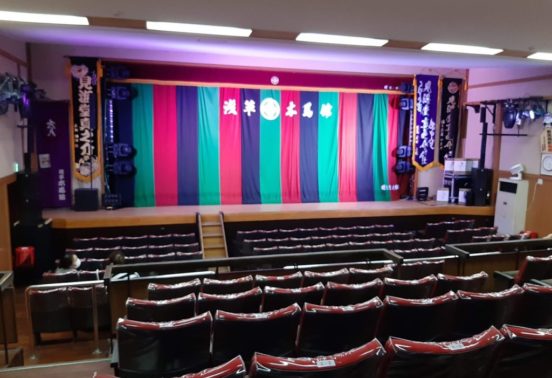
- Jujo Shinohara Engeijou: Opened alongside the company’s founding in 1951 in Kita-ku, this is the oldest dedicated Taishu Engeki playhouse still operating in Tokyo. Loved by locals, its stage is built so close to the audience that you can practically touch the performers.
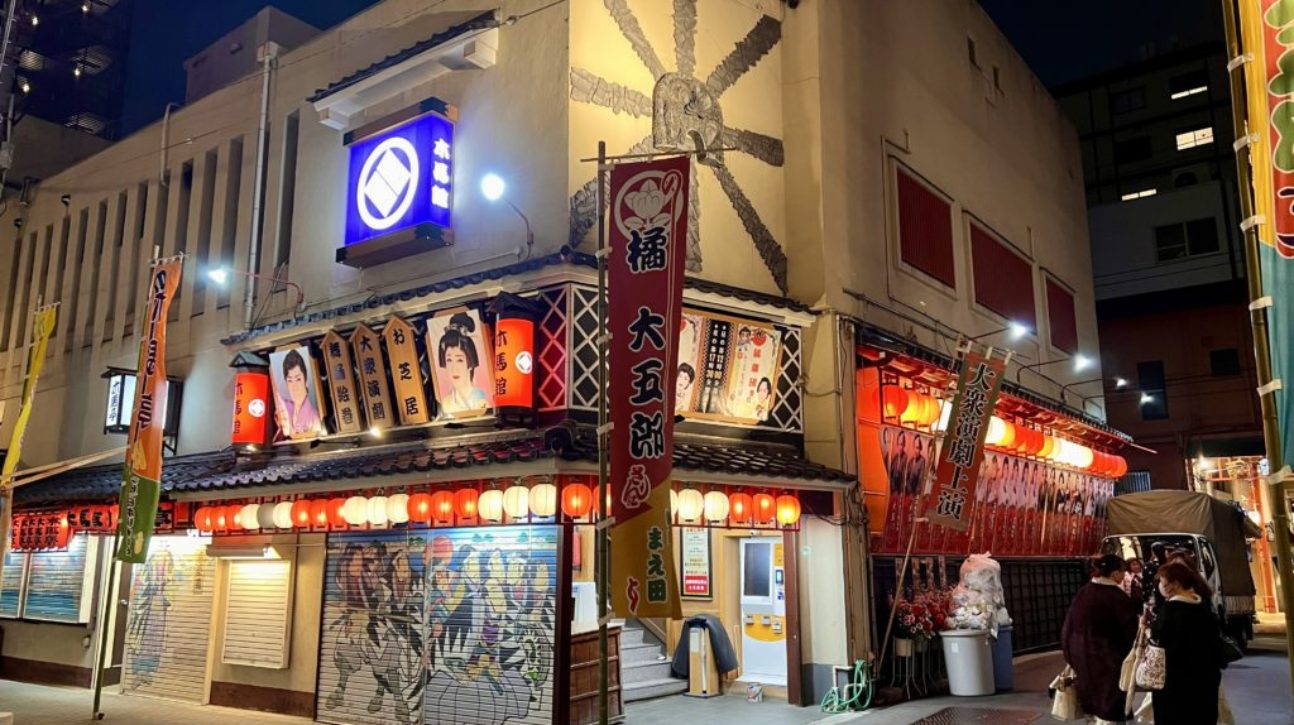
- Asakusa Mokubakan: Located in the historic entertainment district of Asakusa, this venue has roots dating back to the Meiji period. After surviving World War II, it was reborn as a Taishu Engeki theater in 1977, keeping the traditional arts thriving in Tokyo’s cultural heart.
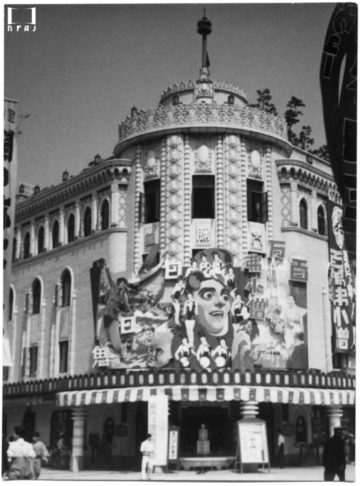
Running these theaters is a constant battle against time and economics. Historic wooden buildings have the inevitable worry of structural aging and damage, especially with the large volume of earthquakes in Japan. This reality hit hard in 2007 when the legendary Asakusa Taishokan, another major, deeply loved hub for the art form, was forced to permanently close its doors because the building simply grew too old to safely maintain. The Asakusa Taishoku building was demolished, and is now the Rokku shopping mall area.
More recently, the 2020 pandemic pushed the entire industry to the brink. With live performances forcibly halted and venues temporarily shuttered, theaters lost their sole revenue stream. These closures highlighted a terrifying fragility: without physical stages, the traveling troupes have nowhere to perform, and the art form itself faces extinction.
Taishu Engeki is inherently a family affair. The acting troupes are almost exclusively multigenerational families who live, travel, and train together from childhood. Similarly, Shinohara Engeki is a deeply rooted family business. Currently led by Masahiro Shinohara, the family acts as the central nervous system for the industry in Eastern Japan—not just running the venues, but dispatching troupes, producing stage sets, and fiercely promoting the culture.
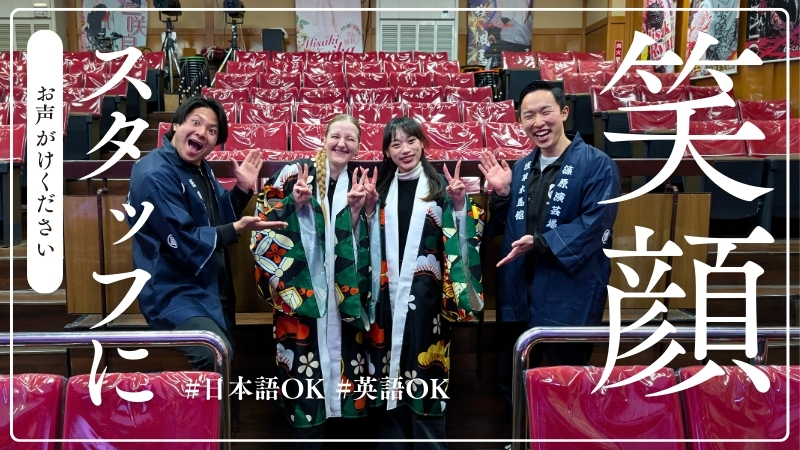
The Shinohara family’s dedication to keeping the business alive is the literal lifeline for Taishu Engeki today. To prevent this art from dying out, they are aggressively modernizing operations. They are actively renovating their historic spaces (like updating Jujo’s tatami seating to modern chairs), introducing digital ticketing, and launching global outreach initiatives to attract international tourists.
By honoring their family legacy while adapting to the 21st century, the Shinoharas are ensuring that the intimate, passionate world of Taishu Engeki continues to captivate audiences rather than fading into the history books.