
10+ Free Events in Asakusa
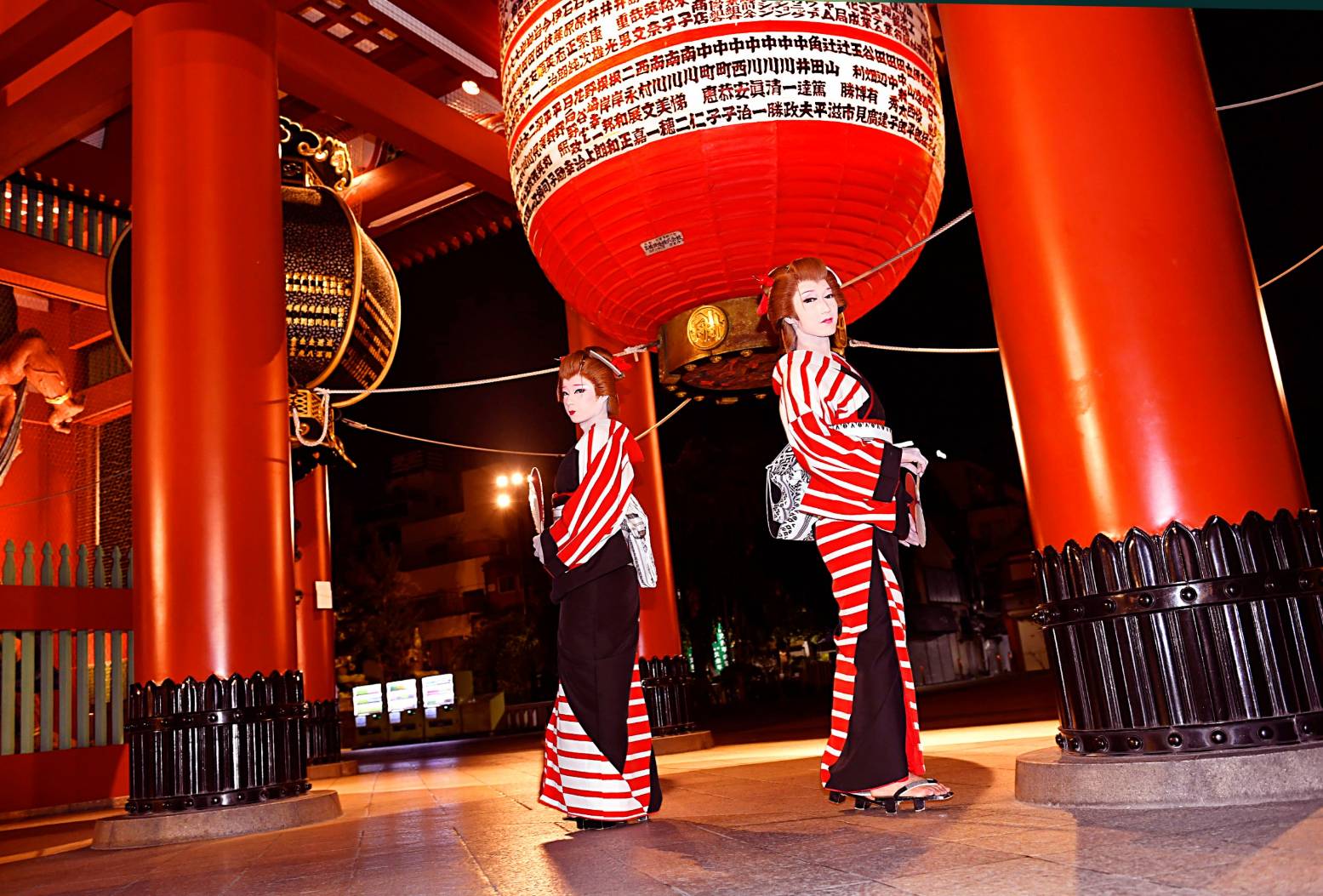
Tokyo is one of the most populous, liveliest cities anywhere in the world, and Asakusa is one of the oldest districts with over a thousand years of history of recorded history. With such a deep and cultured history, the home district of the oldest temple in Tokyo has a multitude of annual events available for people of all different backgrounds to enjoy for free. With events every single month, ranging from fireworks displays to lively festivals, to international culture exchange parades,
Asakusa truly is the festival capital of Tokyo.
January:
January 1 – January 7: Asakusa New Year (Hatsumode)
The first visit of the year to a Japanese shrine is known as “Hatsumode”, and is a very popular tradition even among those who are non-spiritual. This tradition is not limited to Sensouji, and has no strict time frame. However, to witness the crowds and festivities, be sure to visit Asakusa’s Sensouji Temple between December 31 – January 7 each year.
February:
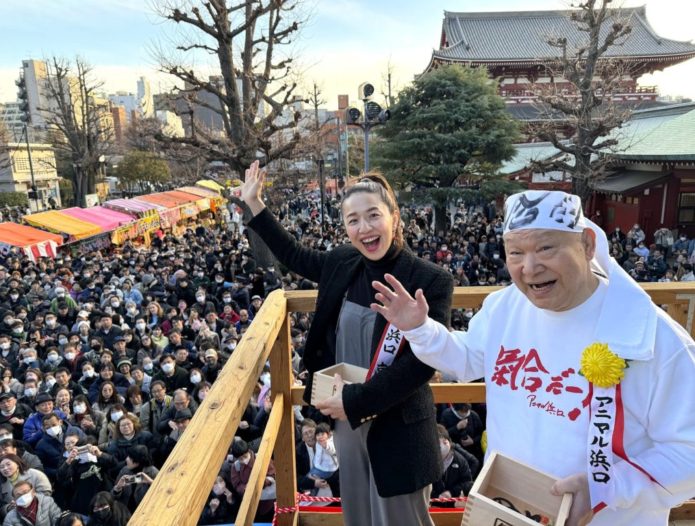
February 3: Asakusa Setsubun (Bean-Throwing Festival)
The Setsubun festival is the second festival of the year held at Asakusa’s Sensouji Temple, and is a little more unusual than your typical temple visit. This free event involves masses of people throwing beans to ward off demons. Local celebrities and special guests often jump on stage and ceremonially throw beans. In Asakusa specifically, everyone shouts “Senshuu banzai! Fuku wa uchi!” meaning “A long and prosperous life, good fortune within!”.
There are typically 3 ceremonies throughout the day: Morning (11:30am), Midday (1:30pm), and Afternoon (4:00pm).
March:
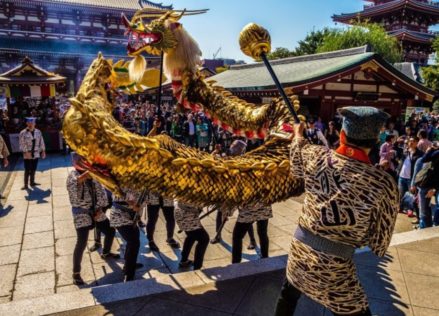
March 18 (& October 18): Asakusa Kinryu no Mai (Golden Dragon Dance)
A traditional performance held twice a year at the grounds of Sensouji Temple. Many men carry a large, 18-meter-long, 88-kilogram golden dragon statue around the Temple and the streets of Asakusa, accompanied by dancers and Geisha playing traditional Japanese music.
The symbolism of Asakusa Kinryu no Mai is honoring an ancient dragon legend from the year 628. A golden dragon which descended from the heavens is said to have created a forest of a thousand trees, following the discovery of Sensou-Ji’s famous Kannon statue. The number 8 is a strong theme throughout the celebration – the dragon is 18 meters long, weighs exactly 88kg, is accompanied by 8 dancers, and the dragon is bedazzled in 8,888 shiny scales.
Late March (date varies): Children’s Kabuki at Asakusa Shrine
This annual festival allows young, up-and-coming child Kabuki performers to showcase their skills in an outdoor, public setting. This is not simply a kid in a school play – they wear proper, professional, historically accurate Kabuki makeup, clothing and wigs.
The children perform more accessible, shortened versions of standalone acts of well-known, historical kabuki plays. Because the stage is outdoor, and faces an open courtyard, it provides a great atmosphere for the children to perform, and for visitors to gather for a fun weekend event.
April:
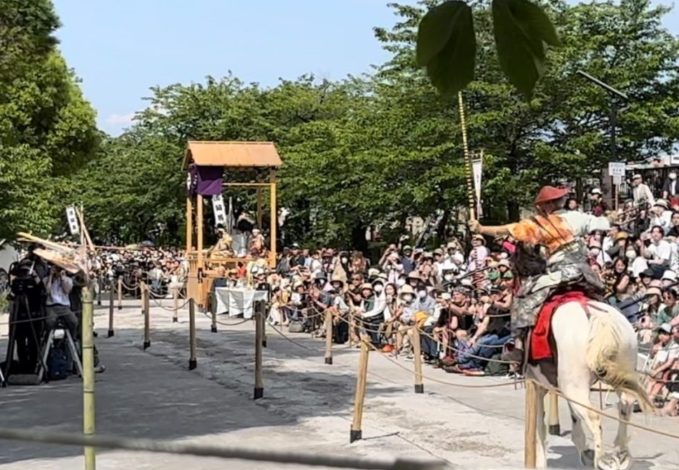
2nd Saturday of April: Asakusa Horseback Archery
(date subject to official confirmations)
Yabusame (流鏑馬, literally translated as “flying arrows from a horse”) is a traditional horseback archery event held in Sumida Park, across the river from Sensou-Ji in Asakusa. This is an ancient Japanese martial art where archers on horses gallop and shoot arrows at stationary wooden targets. The riders wear Kamakura period (1192-1333) samurai clothing, often surrounded by the beautiful sakura cherry blossom trees of Sumida Park.
The event pays respect to and commemorates Japan’s ancient samurai traditions, and is also used as a vehicle for prayer for peace, good harvest and good fortune. It’s a popular event and the viewing areas will fill up quickly, so we recommend arriving at least 30 minutes before the event begins.
April 8: Cherry Blossom Flower Festival at Sensouji Temple
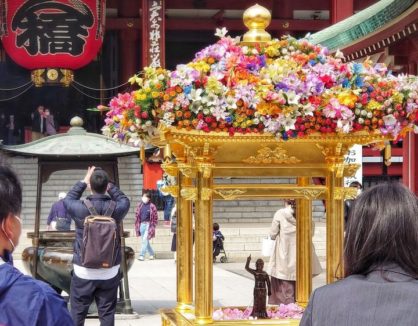
Taking advantage of the beautiful cherry blossom season, the Hana Matsuri (Flower Festival) is a beautifully vibrant celebration of the birthday of Buddha. It is considered one of the most peaceful and beautiful events at Sensouji. The main attraction of the event is a large, golden pavilion dressed in flowers, housing a statue of an infant Buddha.
Visitors to the event can pour tea over the Buddha, pray for health and happiness, and take a leisurely stroll through the temple grounds to enjoy the beautiful flower decorations and scenery. Unlike the Setsubun (bean-throwing festival), or Sanja Matsuri (coming up next), Hana Matsuri has a very calming atmosphere, a fantastic traditional Buddhist celebration.
May:
3rd Weekend of May: Sanja Matsuri at Sensouji Temple
One of Tokyo’s biggest, brightest, and most exciting festivals in Japan’s indigenous religion, ‘Shinto’, Sanja Matsuri is celebrating and commemorating the three man who historically founded the Sensouji temple. The 3 men’s spirits are believed to be enshrined inside the Asakusa Shrine, next to the temple. According to beliefs, the three men found the now-famous Kannon statue in the Sumida River. One of the men, the then-village leader, recognized the statue as an important Buddhist deity. As a devout Buddhist priest, he remade his home into a temple which is now where the modern day Sensouji stands.
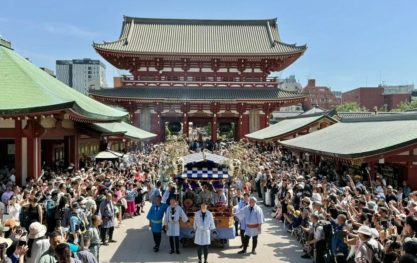
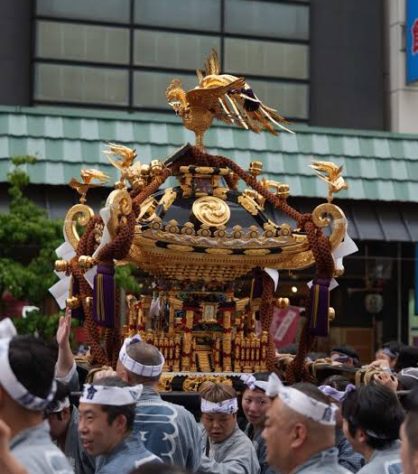
- All weekend, you can see groups of participants carry portable shrines around the streets of Asakusa and surrounding neighbourhoods. Food stalls and live music fill the temple grounds. Event attendees can be seen eating local food and drinking alcohol in the streets and in the temple grounds.
- On Friday, the Grand Procession (Daigyouretsu) occurs, with priests, musicians, dancers attending, and participants will often wear traditional clothing from the Edo-period (1600s-1800s).
- On Saturday, around 100 portable shrines are carried while the handlers ceremonially chant, drum, and sing through the streets of Asakusa.
- On Sunday, the three most important shrines are carried from early morning to late evening. This is the busiest day of the festival.
Over the three days, roughly 2 million people attend the event every year. If you are in Japan during the middle of May, this is a must-see event.
July
July 3-7: Tanabata Festival
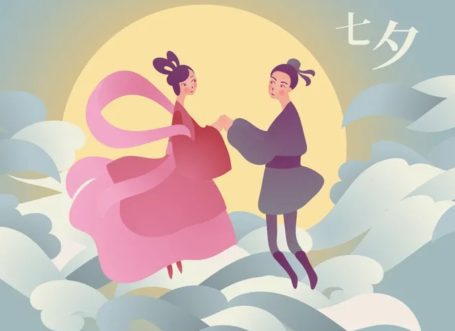
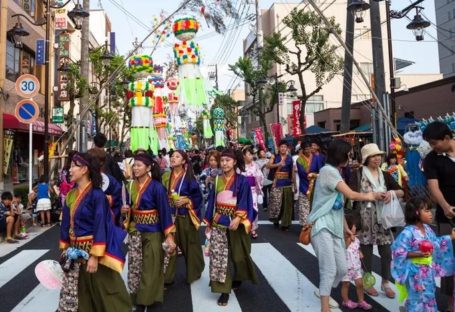
The festival for ‘Star-Crossed Lovers’, Tanabata is a colorful, street festival featuring bamboo poles, streamer decorations, parades, and local food and merch stalls. The Tanabata festival celebrates the annual reunion of two historically star-crossed lovers, Orihime (O-ree-hee-meh), the daughter of Tentei (The Sky King), and Hikoboshi (Hee-koh-boh-shii). Orihime, the Star Princess, was arranged to be married to Hikoboshi, a hard-working farmer by her father. Once the two had married, they began to slack off and neglect their work, thus causing the skies to also neglect it’s chores. The King separated the two lovers to opposite sides of the universe, forbidding them to meet each other. Orihime was heartbroken and desperate. Upon seeing his daughter feel such sadness, Tentei allowed Orihime and Hikoboshi to meet only once a year, on the 7th of July each year. This story is based on an astronomical event, as on the 7th of July in the lunar calendar, the two stars Vega and Altair meet in the sky, representing the two lovers.
The festival event stretches over 1.2 kilometers between Ueno and Asakusa, two city hubs in Tokyo. Tanabata is primarily celebrated by writing your wish onto a colored strip of paper, and tying your wish to the branches of a bamboo tree in the streets of the festival. All are welcome to join and celebrate this free event. However, the event is not restricted to Asakusa and Ueno, large-scale festivals are held around Japan, usually in shopping malls and shopping streets, lasting for several days.
Mid-July to mid-August: Ueno Park Summer Festival
Although not taking place in Asakusa, Ueno is the neighbor to Asakusa, just 1 train station away, or a 15 minute walk.
The annual festival of Ueno Park lasting several weeks with different events each day, such as Bon Odori (traditional community dancing), live music and stage performances, street entertainment, evening lantern displays, and of course plenty of food stalls and local vendors. Rather than serving a spiritual or singular purpose, the Ueno Summer Festival simply aims to gather people together and provide a fun event to attend for friends and families.
The Ueno Park is already a great place to visit in Tokyo, with nearby attractions such as the Ueno Zoo, Tokyo National Museum, and the popular Ameyoko Shopping Street all nearby. The Ueno Summer Festival is a must-visit during your summer trip in Japan.

Last Saturday of July: Sumida River Fireworks Festival
Tokyo’s oldest and most famous fireworks event where nearly a million people gather each year, just a few minutes away from the Sensouji temple. Sumida River is in east-Asakusa, with several bridges and parks available to comfortably view from. Around 20,000 fireworks are launched into the evening sky from 7:00pm to 8:30pm, with plenty of food stalls available to purchase classic festival foods. Attendees will often wear yukatas, have afternoon picnics, and drink alcohol with their friends or families.
If you plan to attend this event, be prepared for extremely large crowds, road closures, and packed trains – hundreds of thousands, if not a million people attend this event every year. Make sure to plan your way back home.

August
Last Saturday of August: Asakusa Samba, Brazilian Parade
The Asakusa Samba Carnival (Brazilian music and dance) is one of the largest Samba festivals available outside of Brazil. Hundreds of dancers and performers in elaborate Brazilian costumes celebrate and parade through the streets of Asakusa, sharing the energy of Brazilian music and carnival energy to Tokyo.
The parade typically begins at 1:00pm, dancing through the streets of Asakusa until the early evening. Attendees can see hundreds of Japanese samba dancers, live percussion bands, decorated carnival floats, performances and competitions, and a lively, festive atmosphere. Rather than a religious event, this is a performance and entertainment-focused parade, promoting cultural exchange between Japan and Brazil.

December
All of December: Hanayashiki Theme Park’s Christmas Event
Based in Asakusa, Tokyo’s oldest Theme Park hosts a seasonal Christmas celebration each year featuring festive decorations and sporadic appearances by Santa Claus. Offering a nostalgic, old-fashioned Christmas experience, the theme park’s classic rides continue operating as normal, in addition to Christmas trees, illuminations, themed performances, and a roaming Santa Claus for Christmas photo opportunities.
This is the only event which has an admission cost.