
The Different Theatre Arts of Japan Taishu Engeki, But Also So Much More...
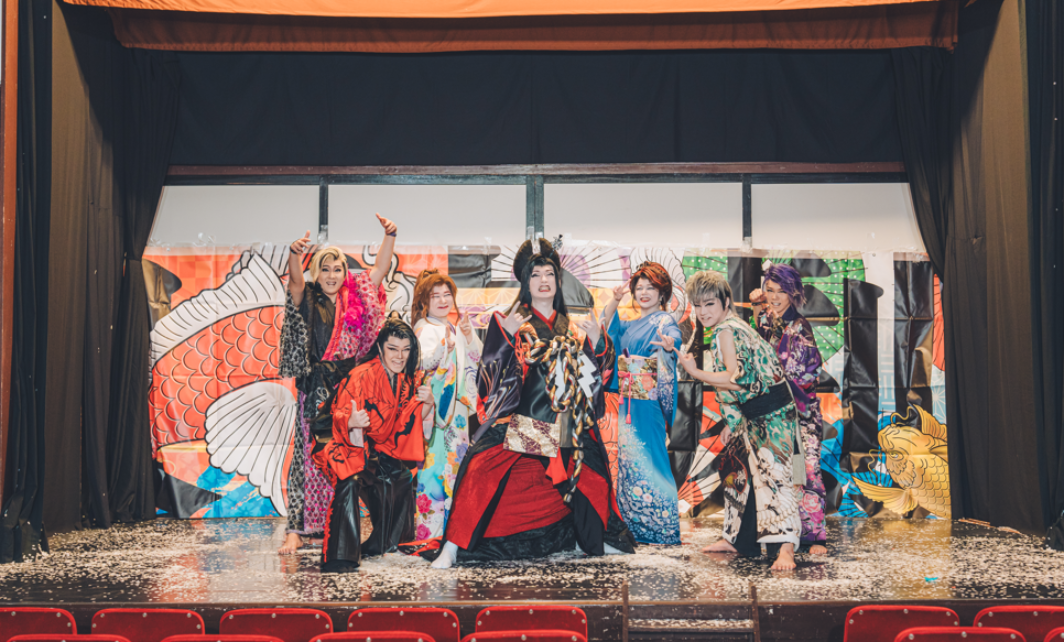
Japan has a deeply rooted culture of performance and arts, but this is not only limited to Taishu Engeki. The Japanese are a people very proud of their culture. In a bid to not only maintain, but grow their culture, they display their deep roots in not only anime and media, but also live performance arts. Read about the numerous different forms of live Japanese entertainment below, and what draws an audience to come and see each respective show.
Taishu Engeki
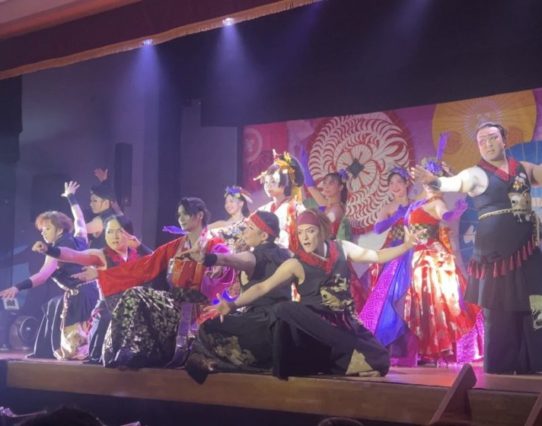
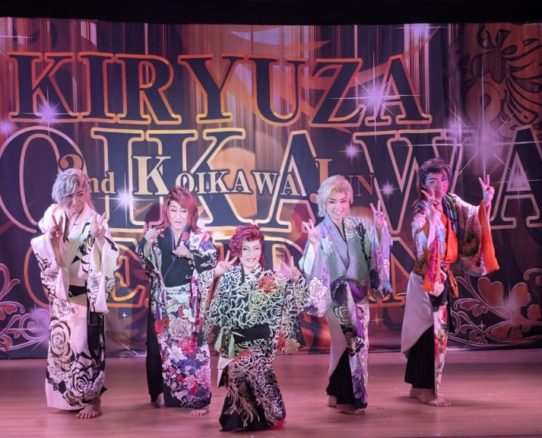
Taishu Engeki is the local, affordable form of entertainment theatre available all-around Japan. It is known for its emotional storytelling, intimate audience interactions, and charismatic performers, whether it is men, women, or even children. Taishu Engeki consists of two separate shows: A 90-minute dramatic play, and a 90-minute dance show, with a short break in-between. There is typically 8+ members of a Taishu Engeki group who travel together around Japan all-year round. The performers are very dedicated to entertaining the audience, often cracking jokes with each other on stage, making conversation with the audience and ‘breaking the fourth wall’. Taishu Engeki stories mirror the themes of Western theatre and Shakespearean theatre, such as tragedy, loyalty, romance, in addition to strong Japanese themes such as outlaws and/or samurai.
A Taishu Engeki performance is different every day, but the consistent themes are:
- Theatrical modelling, acting and/or posing
- A mix of modern and/or traditional dance
- Japanese instruments
- Japanese dance/performance accessories such as Katana, Fans, or Umbrellas
- Authentic and/or modern Japanese kimonos
- And much, much more.
Kabuki
Kabuki is the highly stylized, more luxurious and classical form of entertainment theatre, in comparison to Taishu Engeki. Where Taishu Engeki is more local and accessible for everyone, Kabuki is the high-production, big-budget, large stage theatre, and is recognized as a UNESCO Cultural Heritage art form. A primary point of difference between Kabuki and Taishu Engeki, is that all Kabuki performers are men. Men will perform the roles of women and children, training from a very young age to have the capabilities to perform with a feminine voice.
Taishu Engeki includes two shows, whereas Kabuki is a singular long dramatic performance with a long break halfway through the show, allowing customers to do some shopping for merchandise in the theatre, or purchase something to eat. If you are watching a Taishu Engeki show, any clothes are welcome but if you are going to watch a Kabuki show, I would recommend arriving in at least semi-formal attire.
Noh
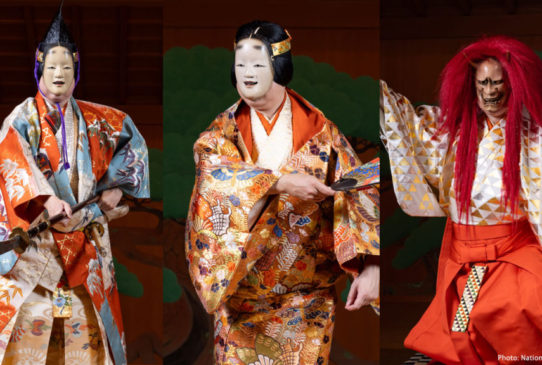
Noh is Japan’s oldest surviving stage theatre art. Like Taishu Engeki and Kabuki, it is a stage play with numerous performers. It separates itself from the other art forms by characterizing itself in minimalist aesthetics, spiritual themes, and slow, deliberate movements of the performers. The Noh performers use dance, chants, poetry and Japanese masks during their show to explore themes of ghosts, gods, warriors, and Buddhist religious concepts.
There are often musicians accompanying the actors on stage, typically flute and drums, to create an immersive, ritualistic atmosphere during the performance. Rather than using props, accessories, or extravagant themes, Noh aims for subtle, profound beauty from within the performance itself.
Kyogen
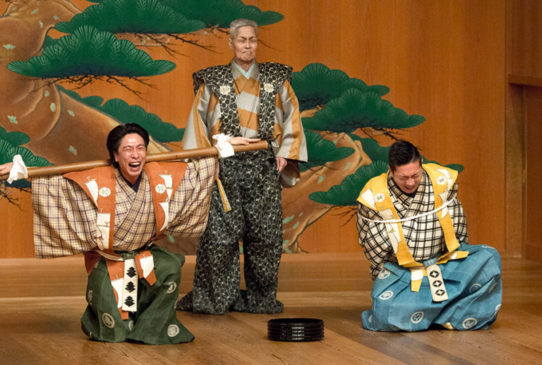
Kyogen is the comedic partner of Noh, often being performed as a supporting performance before or in between Noh performances, in addition to having independent shows. The style is more spoken, comedic and lively, focusing on everyday absurdist humor. Kyogen is still a dramatic performance with stylized movements, relying on physical comedy and exaggerated situations. Noh heavily relies on masks, whereas Kyogen uses more human characters and stories, limiting masks only for certain roles in specific situations. You could compare Kyogen to the very popular English movie series “Monty Python”, medieval Japanese humor which remains relatable to modern audiences.
Bunraku
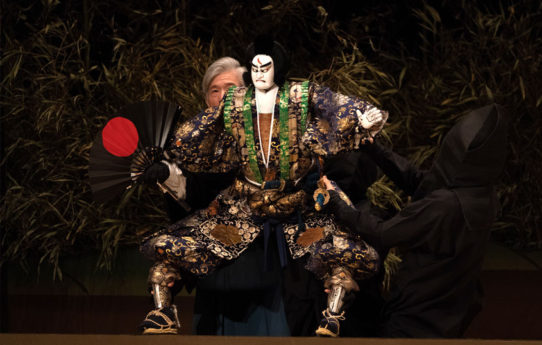
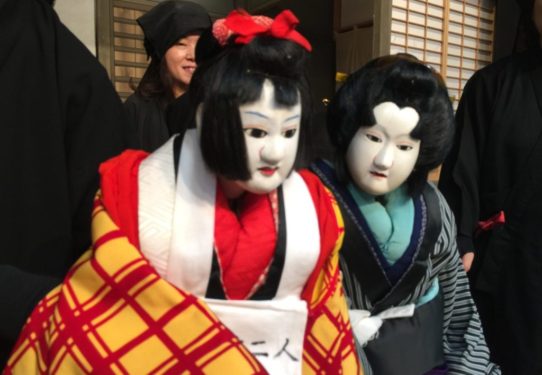
Bunraku is Japan’s classic puppet theatre, combining shamisen and Enka music with expertly operated puppets and narrative chanting to set the mood of the performance. The puppets are larger than you would think, each requiring three individual people to operate a single puppet for each performance: the Omozukai (head and right hand), hidarizukai (left hand), ashizukai (legs). The aforementioned narrative chanting is designated to a dedicated individual titled the Tayu narrator, who performs all voices, whether male, female, young, or old. The shamisen player (Japanese instrument similar to a guitar) provides the emotional and rhythmic background music to the performance.
As Bunraku uses puppets, you may assume it heavily leans on comedy, however it is known for it’s deeply emotional stories, especially domestic tragedies and historical romances. The puppets have expressive faces, and use lifelike movement to create a powerful dramatic effect.
Similar to Kabuki, Bunraku is recognized as a UNESO Intangible Cultural Heritage art form, and remains one of Japan’s most technically sophisticated performing arts.
Rakugo
Rakugo is the only form of performing art on this list which involves only 1 person. Rakugo is Japan’s form of what is known as stand-up comedy in the West, although ironically, this art form is presented entirely by a seated performer. The performer (the rakugoka) sits on a cushion and acts our humorous and sentimental stories using only their wit, body language, and minimal props – a sensu fan and a piece of cloth.
As it is only a single performer, the rakugoka performs the role of all characters throughout their storytelling, using change in posture, tone, and gaze direction. Rakugo stories are often relatable, everyday stories about funny misunderstandings, wordplay, and human error. Rakugo was developed during the Edo period, and remains a beloved entertainment style in theatres, television, and it’s inspiration in modern media is still visible. The charm and value of Rakugo lies in the intimacy of the performance, and the skillful delivery of the punchlines.
