
Planning Your Taishu Engeki Experience At The Asakusa Mokubakan What To Bring, What To Expect
The Asakusa Mokubakan Theatre:
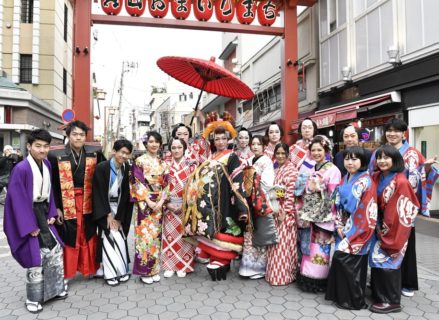
The Heart and Soul of Taishu Engeki
Asakusa Mokubakan first opened during the Meiji era, a time when Japan was rapidly modernizing. Over the decades, the building survived war, fires, and major changes to Tokyo’s cityscape. In 1977, it reopened as a theater dedicated entirely to Taishu Engeki.
Today, Mokubakan remains one of the few venues in Tokyo where this art form can be seen regularly. Its continued operation is often seen as a small miracle and a testament to the dedication of performers and local supporters.
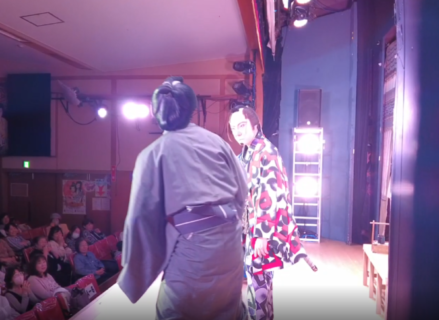
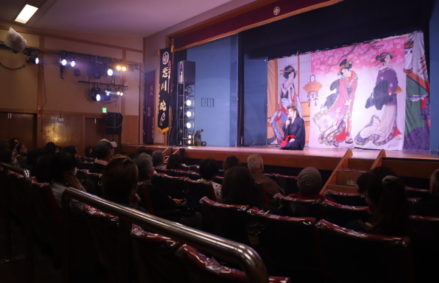
What makes Asakusa Mokubakan especially memorable is its size. The theater is small, and the distance between the audience and the stage is minimal. This creates a sense of closeness that is rare in modern performances.
Audience members can see every expression and movement, and the energy of the performers is easy to feel. Regular visitors often respond with applause, calls of encouragement, and strong emotional reactions, creating a warm and engaged atmosphere throughout the show.
What Should I Bring?
Most importantly? An open mind.
You are about to enjoy a very local experience. The show every day is totally different, so even our staff cannot give you an exact description of what the show will be like.
However, you are able to bring:
- ✓ Outside Food/Drinks/Alcohol;
- ✓ Cameras (no flash photography)
- ✗ Photography Equipment such as tripods, or selfie sticks;
- ✓ Earplugs, for those with sensitive hearing (the show can be loud sometimes);
- ✓ Prams**, backpacks, bags (we have limited storage available);
- ✗ Luggage and/or suitcases;
- ✓ Cash, if you would like to tip any of the performers
**Although the show is not recommended for children below 10 years old, they are permitted to join.

Why Asakusa Is the Perfect Location
The theater’s location in Asakusa is significant. Asakusa has long been known as Tokyo’s center for popular entertainment, street performances, and festivals. It is also home to Sensoji Temple, one of the city’s most famous cultural landmarks.
Because of this history, seeing Taishu Engeki in Asakusa feels natural. The neighborhood’s traditional atmosphere complements the performance and makes it easy to combine a theater visit with sightseeing, shopping, and local dining.
Asakusa Mokubakan is located in the heart of Asakusa, Tokyo, and it is close to Senso-ji Temple. The closest station is Shin-okachimachi, but if you want to stick to larger, well-known stations, I would recommend arriving at Asakusa station. From Asakusa station, it’s a fairly straightforward 10 minute walk to the venue, whilst enjoying a walk through the heart of Asakusa either through the markets, or through Senso-ji temple.
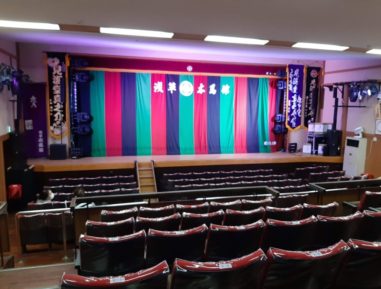
The Venue and the Staff
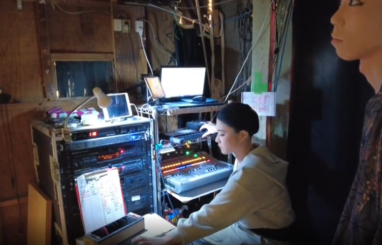
Since the theater is on the smaller side and is quite traditional, there is a mix of floor seating and chairs available. The staff are very welcoming to tourists, but their English may be limited. With a little patience and grace, they will be able to help you. If you do not know any Japanese, it may be a good idea to prepare what you’d like to say on a translation app ahead of time. Their kindness and the experience of the performance will ensure a good time for you and your loved ones.
As with any theater production, there are some rules and etiquette you should do your best to follow. You should show respect to the performers by following the rules that have been set by the venue. Photography is usually prohibited during the show, and you can check with the staff for other rules if you are unsure. O-Hineri is a traditional money gift given in a paper envelope, and while it is not necessary to give, it is a great way to show the performers your appreciation for their hard-work and energy.
If you’re looking for a traditional experience that blends drama, dance and high energy into a visually stunning performance, Asakusa Mokubakan will provide it. Witnessing a Taishu Engeki performance for yourself gives you insight into authentic culture that is raw and intimate. You can feel the connection to Asakusa and the centuries of culture embedded within. You can see a living piece of history that blends modern elements into a spectacular performance. These performers put their heart and soul into every play, dance, and choreography.
Don’t miss out while you’re in Tokyo: Plan your visit to Mokubakan today and witness the powerful energy of Taishu Engeki!