
Everyday Traditional Japanese Clothing More Than Just the Kimono
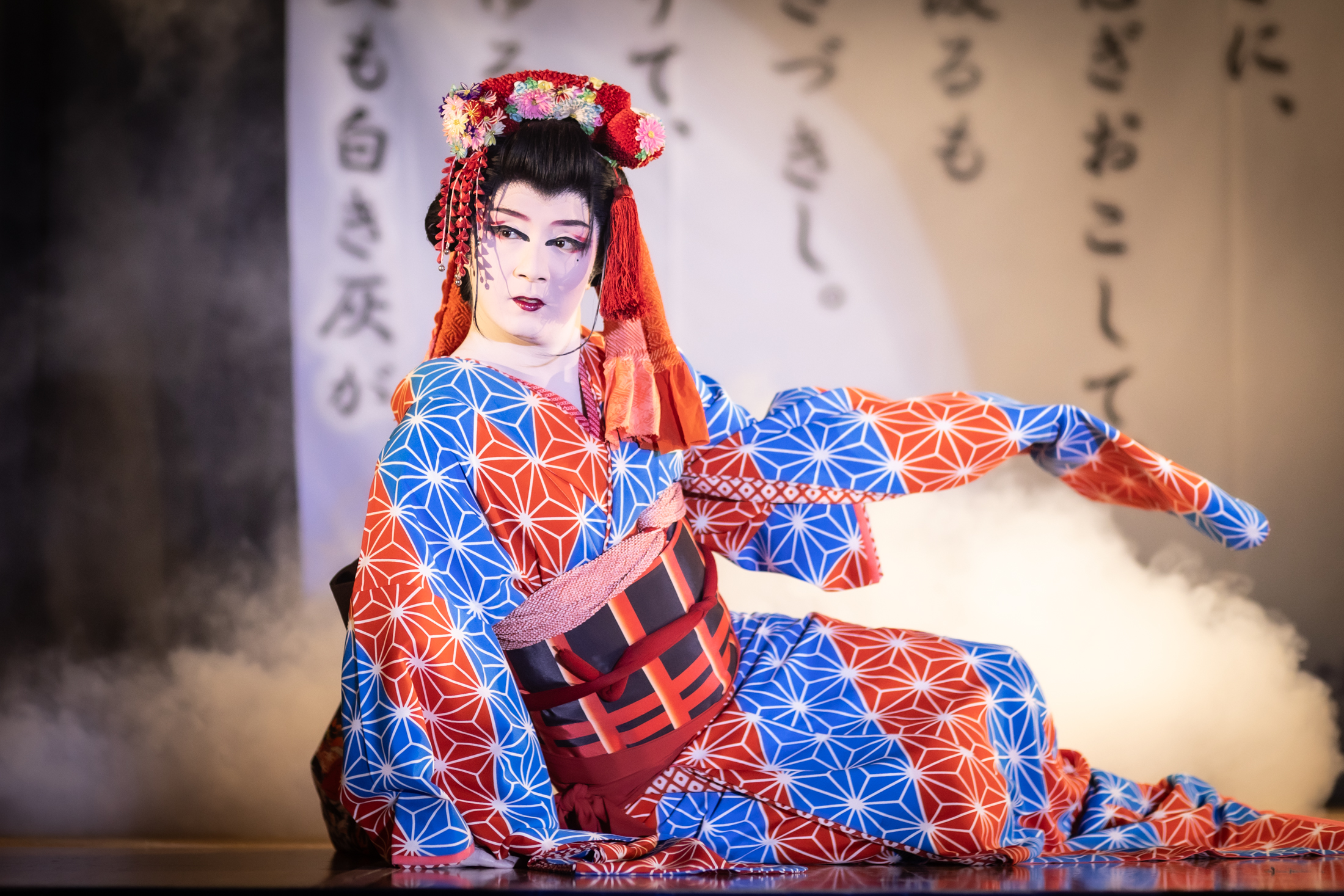
When most people think of traditional Japanese clothing, known as Wafuku, the typical silky kimono comes to mind first. However, Japan’s textile heritage goes much deeper than the kimono, and deeper than just formal attire and festival clothing. There is an entire wardrobe of more practical, comfortable, everyday outerwear designed for working, lounging, and living.
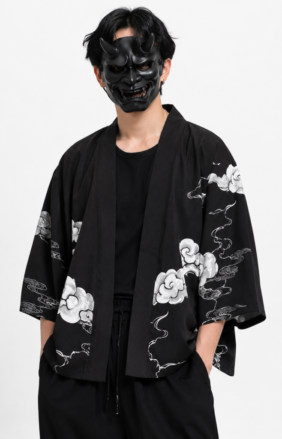
Outwear: The Haori, and the Hanten
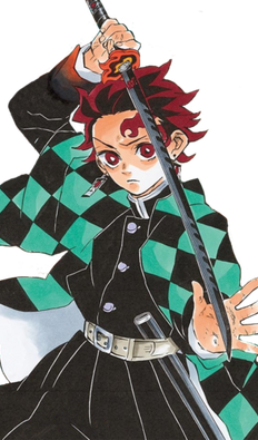
Haori 羽織 – The equivalent of a traditional, Japanese blazer/jacket. It resembles a short kimono with some design and style differences. It is typically shorter, finishing at the hip Originally, in the 1500s, this jacket was designed for samurai or warriors to be worn over their armor to protect from the cold. However, over time, it became a formal clothing piece for samurai, and eventually a piece to wear everyday for merchants or high class men. In the early 1800s, the Japanese geisha began using the Haori, popularizing this piece and transformed it into a stylish unisex jacket by the 1900s.
The character Tanjiro Kamado from the incredibly popular Japanese anime series, Demon Slayer, wears a black and green Haori jacket.
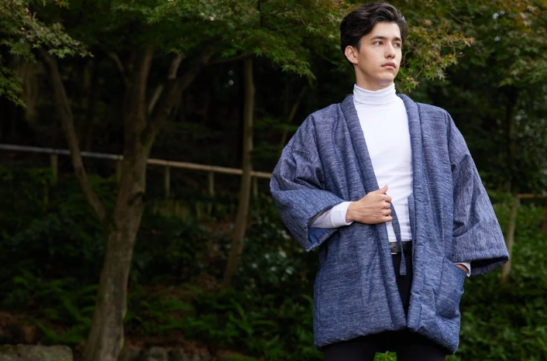
Hanten 袢纏 – Very stylistically similar to the Haori jacket but designed for the cold weather. Having a thick layer of cotton, this was historically more expensive than the Haori jacket, thus was more popularly worn by high-to-middle class Japanese citizens to stay warm outside during the Japanese winter.
Think of it like a cotton hoodie, with a silky material on the outside, or a stylish bathrobe you would wear outdoors, over the top of your regular clothes.
Labor and Celebration: Happi and Samue
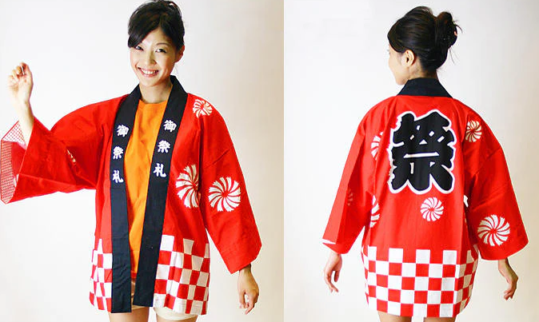
Happi 法被 – If you’ve ever attended or seen footage of a Japanese festival (matsuri) of any kind, you’ve probably unknowingly seen a Happi coat/jacket.
The happi is a lightweight, straight-sleeved jacket typically worn in bright colors. They are almost exclusively used as festive wear in the modern age, being worn by neighborhood teams as they carry Japanese shrines on their shoulders in times of celebration. Historically, they were worn by house servants and neighborhood servants such as firefighters and village workers/blue collar workers.
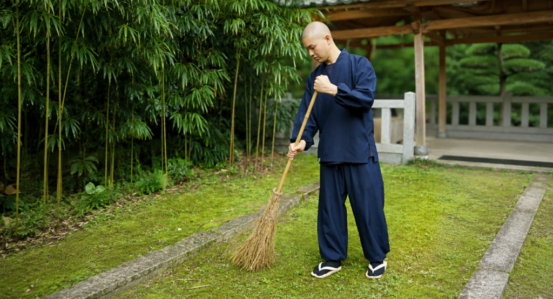
Samue 作務衣 – IOriginally the daily workwear of Zen Buddhist monks performing physical chores (samu), the samue is an unrestrictive, loose-fitting, easy to wear outfit. Due to its comfortability, it has transcended the temple and has become popular, everyday loungewear in Japan for anyone seeking comfort.
However, it remains the uniform of choice for many Japanese workers such as craftsmen, farmers, and calligraphers.
Rest and Relaxation: Nemaki & Jinbei
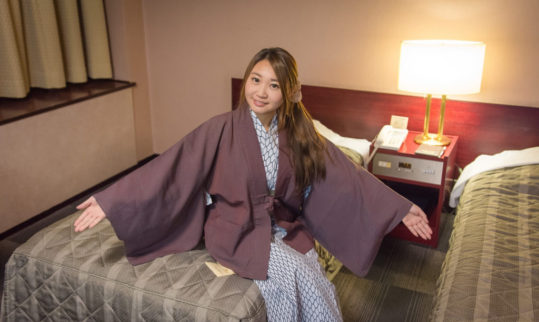
Nemaki 法被 – When the day is done, it’s time to relax and stay inside in your Nemaki.
This is a soft, cotton robe for sleeping and comfort, with a matching sash. If you stay at a Japanese ryokan (traditional Japanese hotel inn), you will typically find a fresh Nemaki waiting for you in the closet for you to wear after you return to your room after soaking in the hot spring.
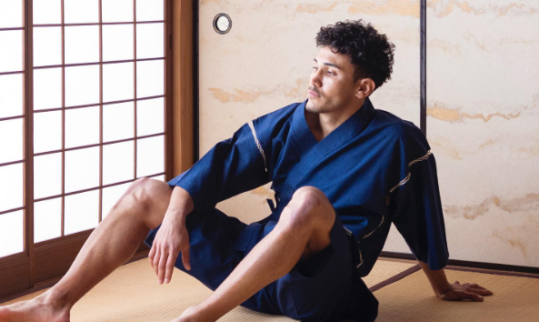
Jinbei 甚平 – Similar to the samue, but designed for the infamous heat of the Japanese summer.
Jinbei features matching short sleeves and shorts, made of highly breathable cotton or hemp, and is the ultimate traditional outfit for surviving the humidity of the Japanese summer.
The true beauty of wafuku lies not just in it’s aesthetic, but in its practicality. From the warmth of the Hanten to the breathable ease of a Samue, these garments were engineered to move, breathe, and live with the wearer. The next time you want to bring a touch of Japanese tradition into your daily life, skip the complexities of kimono tying, and slip into one of these timeless everyday classics, regardless of whether you are in Japan or your home country.