
The Art of Onnagata and Kimono Gender, Tradition, and Performance in Taishu Engeki
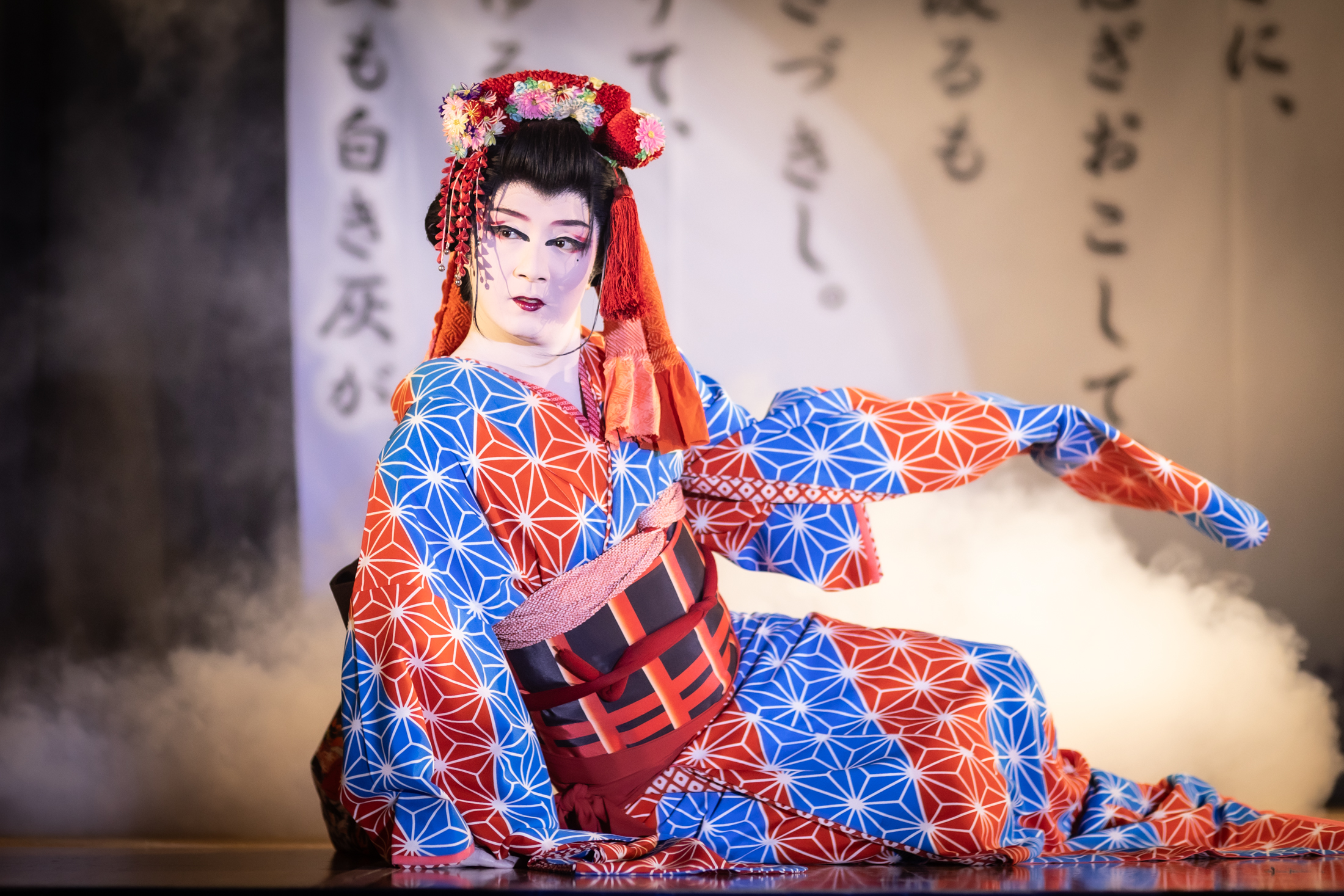
In the vibrant world of traditional Japanese performance, few elements are as captivating or as culturally significant as the onnagata. This practice, where male actors embody female roles, is a cornerstone of Japanese theatrical identity. From its historical roots in the high art of Kabuki to its central place in contemporary Taishu Engeki, the onnagata tradition offers a fascinating lens through which to view Japanese history, gender, and the meticulous craft of performance.
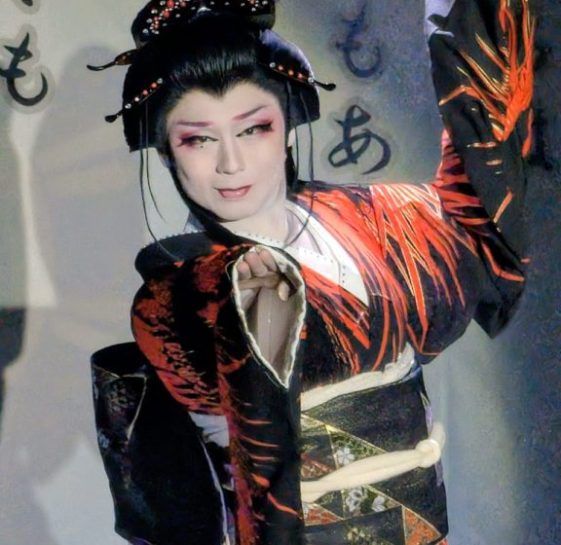
The Historical Shift:
From Women to Men on Stage
The origins of the onnagata are rooted in a surprising historical irony: Kabuki was originally created by women. However, as the art form grew in popularity, female performers were eventually banned from the stage. This prohibition was largely a response to the obsessive idealization of these actresses by the public, which frequently led to conflicts and social disruptions among their admirers.
Following the ban, men took over the responsibility of portraying female characters. Far from being a mere temporary solution, this shift led to the birth of the onnagata tradition.
Over centuries, these male performers refined the portrayal of femininity into a highly stylized and respected art form, turning a social restriction into a profound theatrical legacy.
The Craft: The Rigorous Path to Femininity
Becoming a master onnagata is not simply about costume and makeup; it requires years of extensive physical and vocal training. To successfully transform on stage, an actor must master several layers of performance:
• Vocal Transformation: Actors train to alter their natural voices, learning to speak in a softer, more feminine tone.
• Physical Elegance: Mastery involves learning to move with grace, particularly during complex dance sequences.
• Deep Observation: It is often said that a true onnagata must possess a deep understanding of women, meticulously observing their emotions, subtle behavioral expressions, and feelings to reflect them accurately on stage.
The audience recognizes these characters through a sophisticated system of visual cues, including specific makeup styles, intricate wigs, elaborate costumes, and distinct postures.
Onnagata in the Modern Era: Taishu Engeki
The acceptance of onnagata reveals an interesting contrast within Japanese society. Historically, Japan has maintained relatively fixed and conservative ideas regarding gender
and sexuality in everyday life. Yet, despite these rigid social structures, the practice of men dressing and performing as women for entertainment has been embraced for centuries.
This creates a unique cultural space where theatrical tradition supersedes broader social norms. Within the walls of the theater, the onnagata is not viewed through the lens of modern gender politics, but rather as a highly valued guardian of a respected cultural tradition.
While the onnagata tradition began in Kabuki, it remains a vital and central component of modern Taishu Engeki. However, Taishu Engeki has evolved differently than its predecessor. Unlike the strictly all-male world of traditional Kabuki, Taishu Engeki allows women to perform on stage, and many contemporary troupes feature active female members. Despite this inclusion, the tradition of the male onnagata remains highly valued. Many troupes still consist primarily of men, and some choose to maintain an all-male cast, ensuring that the specialized craft of male-to-female performance remains at the heart of the Taishu Engeki experience.
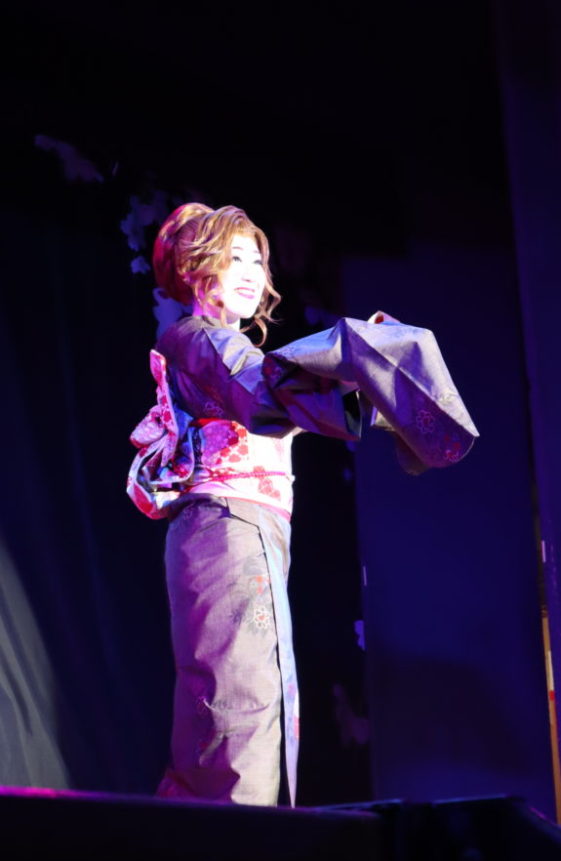
Iconic Archetypes of the Stage
The stories told in Taishū Engeki often feature recurring female archetypes that have become iconic within the tradition. These roles are the ultimate test for any onnagata:
Character Archetype
Keisei (傾城) – The high-ranking courtesan, known for her beauty and tragic allure.
Akahime (赤姫) – The “red princess,” a role representing noble young women of high status.
Musume (娘) – The young maiden or daughter, embodying innocence and youthful energy.
These roles continue to be interpreted and celebrated by male performers today, bridging the gap between Japan’s storied past and its vibrant theatrical present. Through the onnagata, Taishū Engeki keeps a unique form of cultural expression alive, proving that the art of transformation is truly timeless.
Written by Emma Lachenmann,
Edited & Published by Liam Hallin