The Hidden Rules of the Kimono Seasonal and Traditional Kimonos - What's The Difference?
The kimono has become incredibly famous worldwide. When tourists travel to Japan,
renting a kimono and walking around the historic streets of Asakusa is a highly popular
activity. However, what many visitors do not know is that beneath the beautiful fabrics lies
an intricate system of traditions. External circumstances, such as the time of year, the
wearer’s gender, and even their marital status play a massive role in dictating the choice
of design and cut.
The Kimono Calendar
One of the most important factors in choosing a kimono is the season. Traditionally, the motifs and patterns on the fabric are carefully selected to represent the current season or the one that is just approaching. Furthermore, the physical construction of the garment changes throughout the year to accommodate the climate.
From October to May, the Awase style is worn. Awase translates to “two layers of fabric.” This involves wearing a nagajuban, an undergarment that remains slightly visible at the collar, underneath the main kimono. The outer kimono acts as the primary artistic and expressive layer, while the multiple layers serve the practical purpose of keeping the wearer warm during the cold winter months.
During the transitional weather of June and September, people switch to the Hitoe. This style utilizes only a single layer of fabric, providing comfort as the temperatures shift.
In the peak summer months of July and August, the Natsukimono and Yukata take over. The Natsukimono is crafted from transparent, highly breathable materials to combat the intense Japanese summer heat. Alternatively, the Yukata is a much more casual option.
Interestingly, the modern Yukata historically developed out of the nagajuban undergarment, eventually evolving into the popular summer festival wear we see today.
Gender Differences:
Sleeves and Outfitting
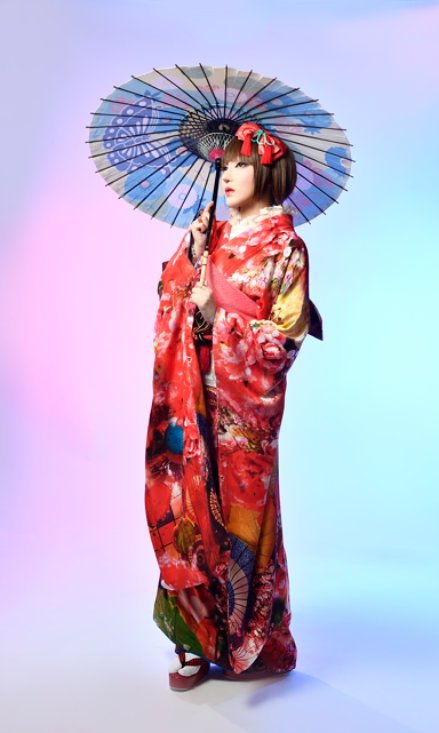
The cut of a kimono also varies significantly depending on the gender of the wearer, particularly in the construction of the sleeves.
For women, the kimono features a large opening at the sleeve. This design choice is highly practical, as it allows the wearer to reach in and easily adjust the garment. This is crucial because women are traditionally expected to keep the kimono tightly wrapped and
adjusted to show as little skin as possible around the chest area.
Conversely, men’s kimonos feature a much smaller sleeve opening. For men, constant internal adjustment is considered less important. In fact, it is common for men to wear their kimonos much more loosely, sometimes showing off parts of their chest. Within traditional Japanese society, this relaxed style for men is entirely accepted and not viewed as controversial.
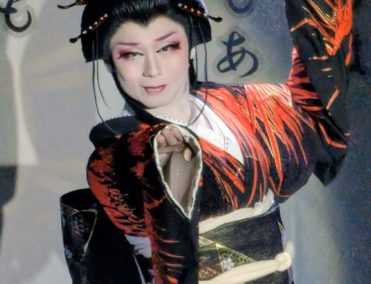
Marital Status – Sleeve and Pattern Changes
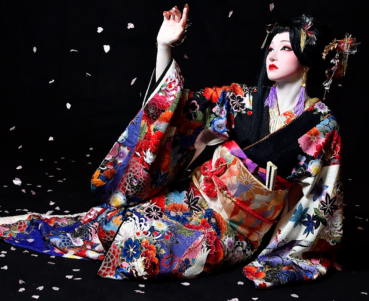
Traditionally, a woman’s marital status fundamentally changed the type of kimono she was permitted to wear.
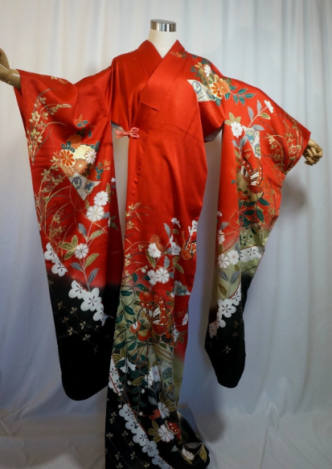
Single, unmarried women traditionally wear a style known as the Furisode. This garment is easily recognizable by its exceedingly long, flowing sleeves and vibrant motifs that decorate the entire surface of the fabric.
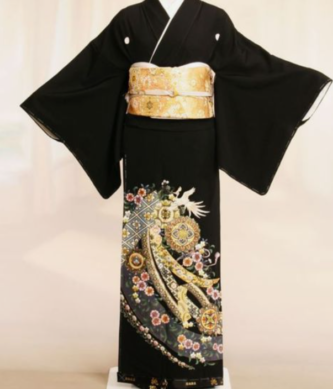
Once a woman marries, she transitions to wearing a Tomesode. The Tomesode is a garment of simple, mature elegance. It is mostly black and is recognized by the wearer’s family crest, or symbol, placed on the shoulders. Unlike the Furisode, the motifs on a Tomesode are restricted strictly to the bottom hem of the garment. This design is intentional; it is meant to project sophisticated grace without attracting too much male attention. To balance the dark, understated fabric, married women typically pair the Tomesode with a highly prominent obi (belt), usually in a striking gold color.
While the kimono is undeniably a stunning piece of fashion, it is also a complex cultural language. By understanding the rules regarding seasons, gender, and status, one can truly appreciate the deep history woven into every thread.
Written by Emma Lachenmann,
Edited & Published by Liam Hallin