
The Life Of A Taishu Engeki Performer What Goes On Behind The Stage?
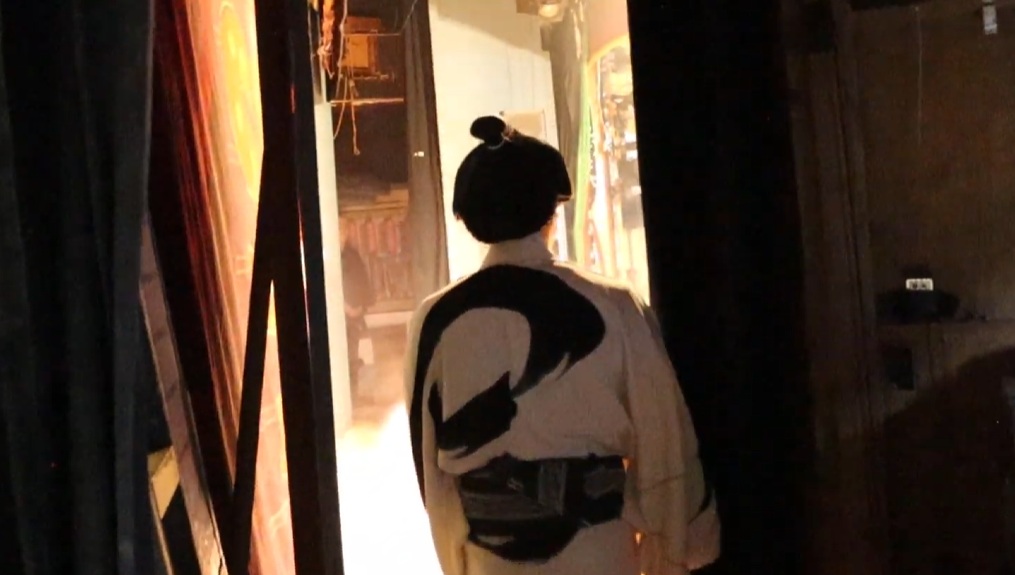
The world of Taishu Engeki, or “popular theater,” offers a unique glimpse into a traditional yet evolving form of Japanese performance. At its heart are tightly knit troupes, many of which function like extended families. In fact, for some performers, the stage is quite literally home. Children are often raised within these groups, beginning as child actors and gradually developing their skills both onstage and behind the scenes. Parents, as performers, pass down techniques, discipline, and a deep understanding of the craft to the next generation.
A Travelling, Family Business
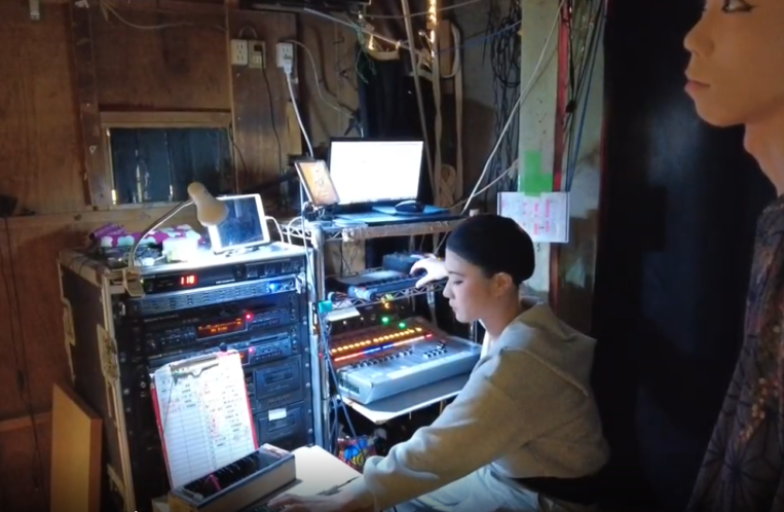
Within these family-based troupes, it is common to see siblings or parents and children performing together, each specializing in different aspects of the performance. One performer might excel in swordplay (katana), while another focuses on dance, acting, acrobatics, or the use of props such as folding fans (sensu). Others may contribute musical talents, playing traditional instruments that accompany the performances. This diversity of skills allows each show to feel dynamic and varied. However, taishū engeki is not exclusively a family business. Many troupes welcome independent performers who bring unique specialties, helping to enrich the overall quality and creativity of the group.
In many ways, a Taishu Engeki troupe resembles a traveling circus. These groups move from city to city, typically on a monthly schedule, performing in small theaters, community venues, or even within spa resorts. Their lifestyle is highly mobile, with little time spent in one place, often staying at a single location for 4-6 weeks. Performers often live in the same building as the theater itself, sleeping in backstage accommodations. Rehearsals can stretch late into the night, as the troupe constantly refines and updates their performances to keep audiences engaged.

Heavy Workload
The workload is intense. Performers typically appear in two shows per day, nearly every day of the month. The first performance often features a dramatic play – centered on emotional, historical, or moral themes. The second performance showcases a dance performance. These dance segments can range from traditional styles inspired by kabuki to modern, stylized routines set to contemporary music. Quick costume changes, elaborate makeup, and precise timing are all essential, requiring both physical stamina and artistic versatility. Despite the demanding schedule and constant travel, the life of a Taishu Engeki performer is deeply rooted in connection, both within the troupe and with their audience. It is a lifestyle built on tradition, resilience, and the enduring joy of live performance.
A Struggling Art Form – Is It Profitable?
Taishu Engeki performers operate on a combination of ticket revenue and tips directly received from the audience. Troupes generally receive a shared percentage of ticket sales from the venue, which is then distributed among members. However, tipping culture plays a significant role in a performer’s income. Audiences have several opportunities to directly support their favorite performers throughout the experience.
First, there is typically a break between the drama and dance portions of the show. During this intermission, performers may enter the audience area to sell merchandise or symbolic items such as flower leis or decorative envelopes that can be used as tips.
Second, during the dance performance, performers often move through the audience, creating an intimate and interactive atmosphere. This allows guests to hand tips or gifts directly to them.
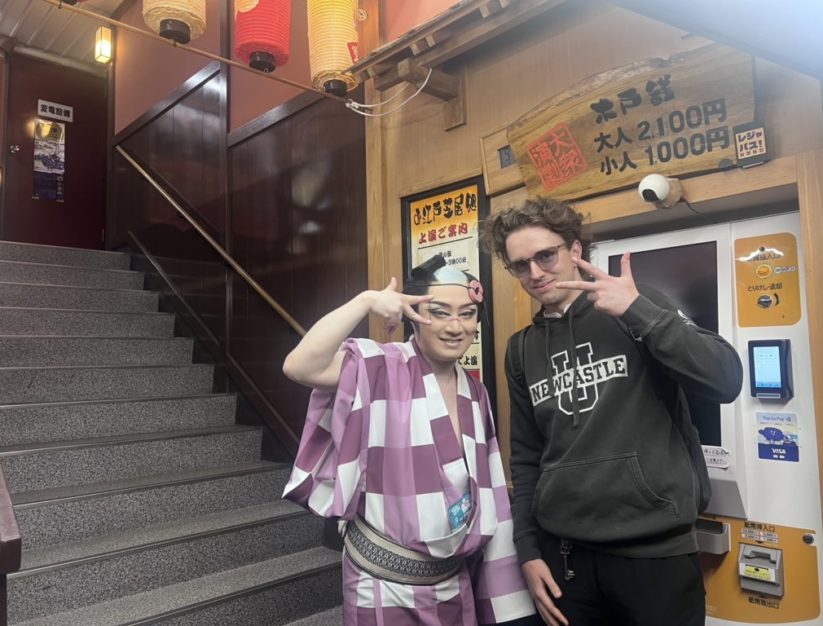
Finally, after the show concludes, many troupes hold a meet-and-greet session. Here, fans can speak with performers, take photos, and offer gifts or financial support while expressing their appreciation.
The life of a Taishu Engeki performer is defined by movement, discipline, and strong emotional commitment. More than a job, it is a lifestyle shaped by tradition, close relationships, and artistic passion. Many performers grow up within troupes, where family and work are deeply connected, helping them develop both skill and resilience from a young age.
The demands are high, with long hours, constant travel, and financial uncertainty. Yet performers remain devoted to their craft, driven by the connection they share with audiences. Each show allows them to tell stories, express emotion, and create meaningful, personal interactions that make the experience unique.
Ultimately, being a Taishu Engeki performer requires dedication to both the art and the troupe. While the path involves sacrifice, it also offers a strong sense of purpose, identity, and belonging that makes the challenges worthwhile.
Written & Published by Liam Hallin