
Taishu Engeki Stories 忠臣蔵 – Chuushingura – The Treasury of the Loyal Samurai
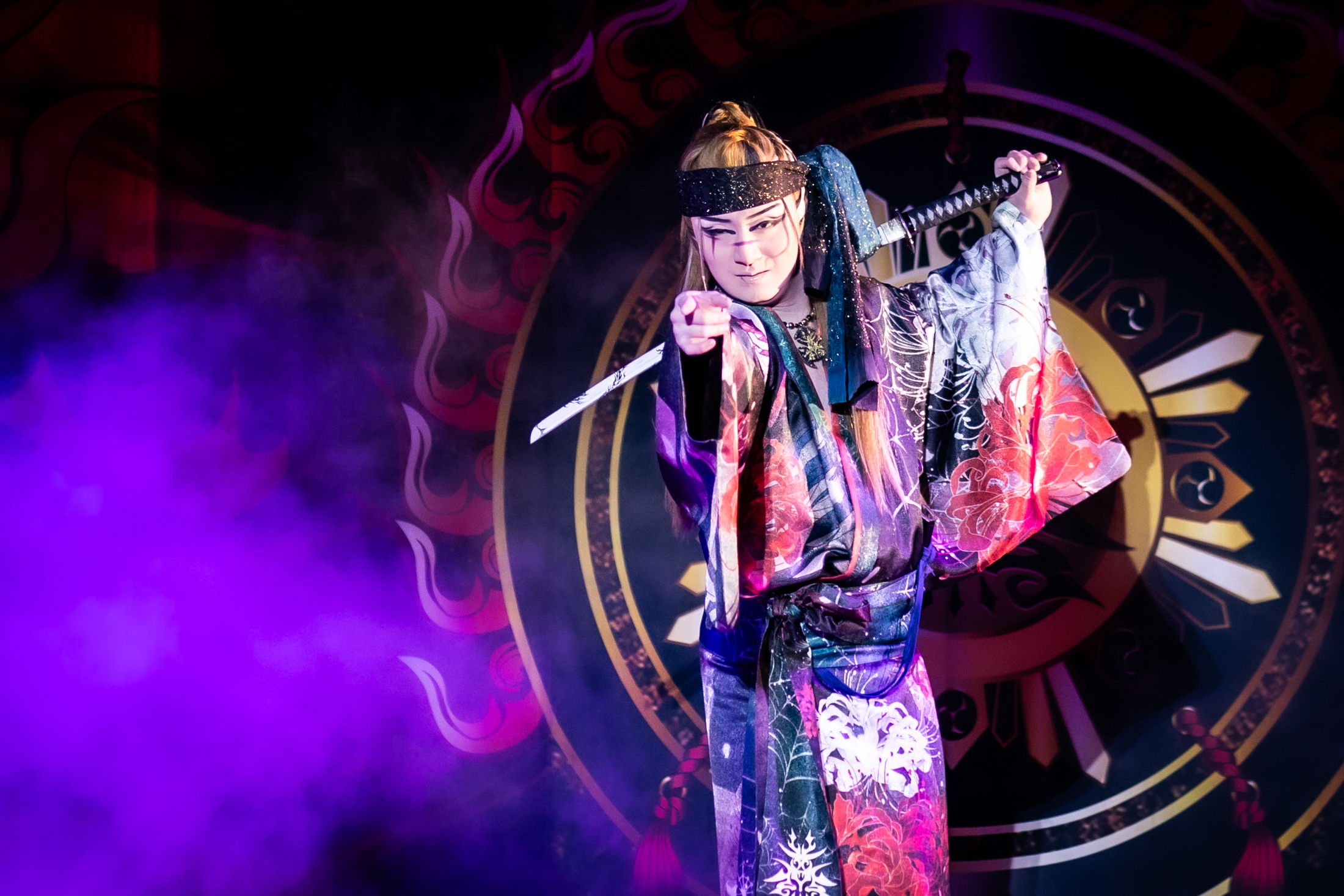
Throughout Taishu Engeki, there are many unique stories to be told, whether original stories or well-known Japanese folktales or historical events. This series of blogs seeks to introduce and explain popular Japanese theatrical stories for English and foreign audiences.
The story of Chuushingura, The Treasury of the Loyal Samurai, tells a story of 47 samurai who seek to avenge their master after he is forced to commit honorific suicide (“seppuku”) by the lords in power. It is based on a real historic event, the Genroku Akou Incident of 1701 – 1703 in Japan. The story has been popular since the actual year of the event, appealing to themes of ordinary people facing injustice, struggling with moral conflict, yet choosing to act with honor.
The first two kanji of Chuushingura, 忠臣 chuushin, translates to “loyal servant”, someone who dedicates themselves to serve a master. The final kanji, 蔵 gura, translates to a place of storage: treasury, warehouse, storage, etc. The “samurai” part of the story’s title comes from the context of the story, telling the story of a group of 47 samurai who become ronin* (samurai who serve no master).
Over 300 years have passed since the historical event, and due to the popularity of the story, many adaptations have been created, and many forms of media have been inspired by the story. Various movies, films, manga, comic books have been adaptations or been inspired by Chuushingura, some pieces of media remaining very faithful to the story, whilst others create more dramatic, original adaptations with creative differences.
The Story of Chuushingura
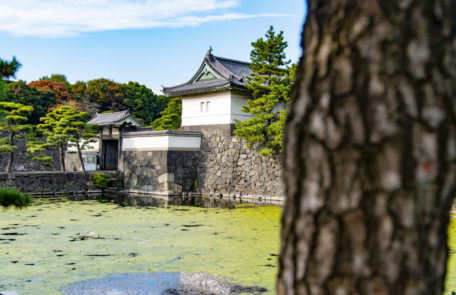
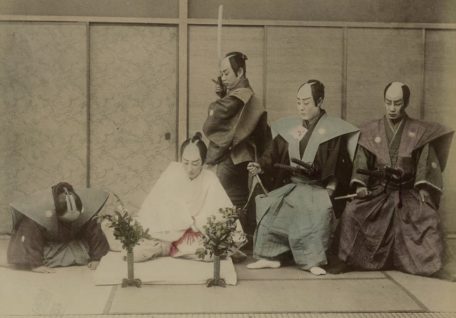
The story’s driving plot is Samurai Lord Asano Naganori attacking a Japanese court official, named Kira Yoshinaka (similar to a politician) inside Edo Castle, after some sort of argument, or insult, or long-term grudge, the exact cause is unknown. Violence inside a Japanese castle is forbidden, especially in Edo Castle. Due to the unlawful attack, Lord Asano is ordered by his Shogunate* (military government) to commit seppuku on the same day of the attack, resulting in him losing his title, and causing his 47 serving samurai, to become ronin. Hence the popular dramatized name, “47 Ronin”. The day of this event is believed to have occurred in March, 1701.
With Lord Asano’s death, the samurai become masterless. The designated leader between the 47 ronin, Oishi Kuranosuke, tries for almost a year to petition with the Shogunate who stripped Lord Asano’s title to restore the family rather than seek revenge. The Shogunate’s multiple refusals force the 47 Ronin to seek revenge in order to avenge their lord and restore honor to their deceased master and his family name. The designated leader of the 47 Ronin, Oishi, begins living a life of civilian as he and the other ronin secretly gather intelligence about the court official Kira while disguising themselves as simple merchants, workers, servants, and other civilian jobs, in order to gain access inside Kira’s properties. For many months, Oishi and the ronin learn about Kira’s routines and plan his murder.
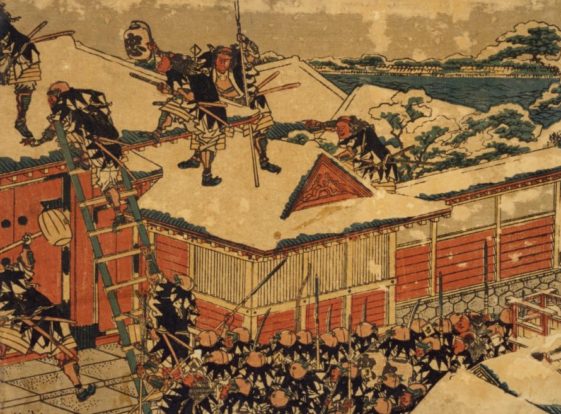
In January 1703, Oishi and the ronin launch their attack on Kira’s mansion throughout the night. The ronin surround the property, fight through dozens of security guards, and searching every room for the court official. Kira is eventually found to be hiding in a shed, and is then killed to avenge their deceased samurai master. The ronin bring the Court Official’s head to the location of Samurai lord Asano’s buried body, Sengakuji Temple, to report they have fulfilled their duty, and finalized their vengeance. The Shogunate, the same official who ordered the Samurai Lord Asano to commit seppuku, acknowledges the loyalty and effort of the 47 ronin, however, outlines that they committed an illegal act of murder. He orders the ronin to also commit seppuku, retain their honor, and take their own life. Thus, ends the story of Chuushingura; The Treasury of the Loyal Samurai; the 47 Ronin.
If you are interested in seeing dramatic Japanese theatre plays, such as Chuushingura,
the theatre offers a different theatrical drama and dance show every single day.
You can read more about Taishu Engeki history and culture here
You can purchase tickets for the Asakusa Mokubakan theatre show here