
Taishu Engeki, Tokyo's Most Heartfelt Traditional Show Where Samurai Spirit Meets The Stage
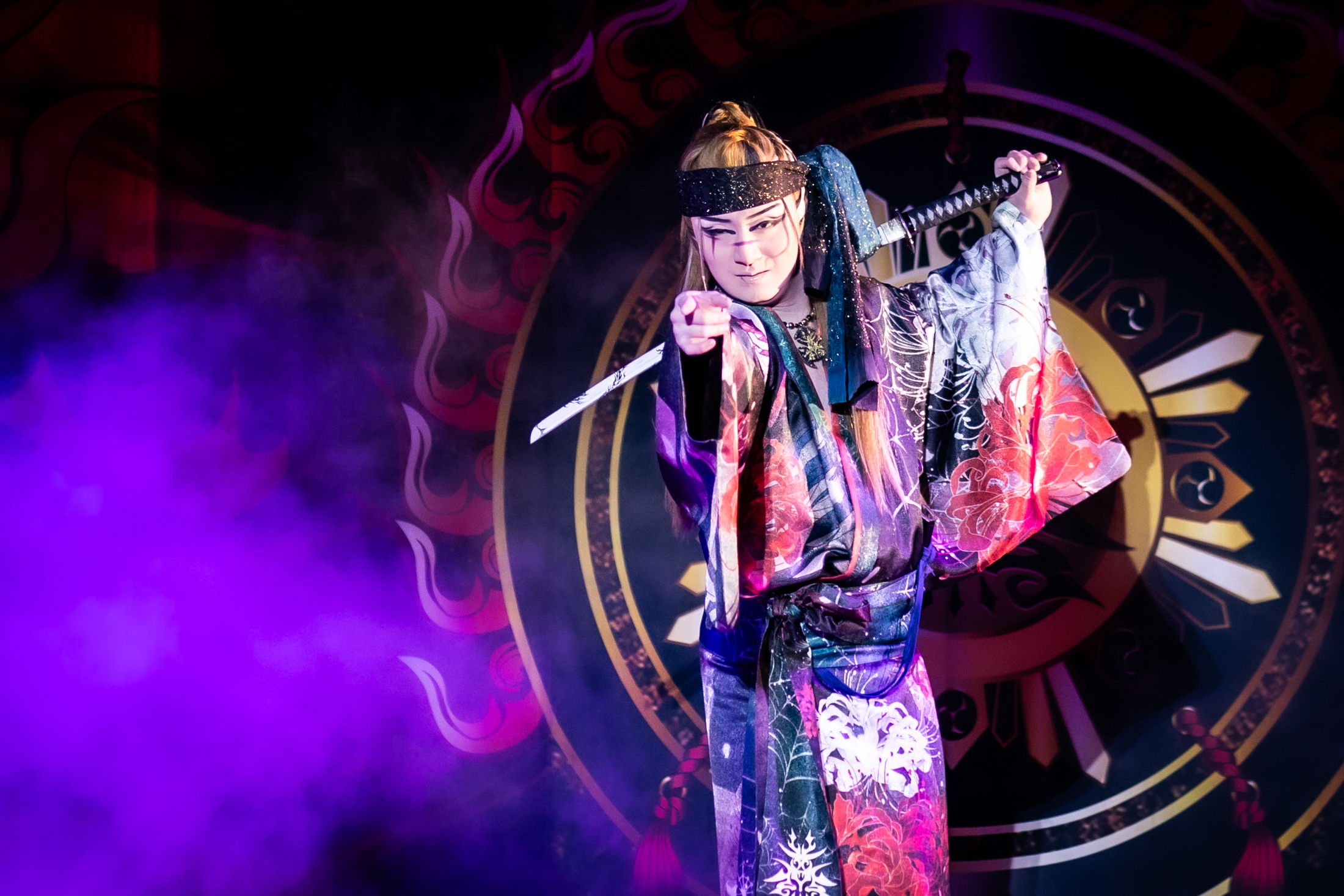
Many visitors come to Tokyo hoping to see a samurai show or some kind of traditional martial arts performance. Tokyo certainly offers plenty of modern options, especially in busy areas like Shinjuku or Kabukicho, where shows are designed to be loud, fast, and visually intense.
But beyond these commercial performances, there is a much older form of stage entertainment that most travelers never encounter.
Taishu Engeki (大衆演劇), often translated as “popular theater,” is a traditional Japanese show that has been enjoyed by everyday audiences for more than a century. It combines emotional drama, swordplay, music, and dance in a way that feels personal rather than theatrical. Instead of spectacle, it focuses on storytelling and connection.
One of the best places to experience Japanese Theatre and Taishu Engeki is Asakusa Mokubakan (浅草木馬館), a small historic theater located in Asakusa, Tokyo’s traditional downtown area. This venue is dedicated entirely to Taishu Engeki and offers visitors a rare chance to see authentic Japanese entertainment up close.
What is Taishu Engeki?
A Traditional Yet Modern Show, Loved by Everyday Japan
Taishu Engeki literally means “theater for the people.” It is a traditional Japanese show that blends historical drama, extravagant costumes, exciting live music, and expressive dance and sword play into a single performance.
Although it shares some roots with Kabuki, the atmosphere is very different:
- Kabuki is rather formal and often performed on large stages, while Taishu Engeki is smaller, more direct, and emotionally accessible. The stories move quickly and are designed to be understood through body language, tone, and movement as much as through dialogue.
- Taishu Engeki incorporates a tipping culture that enables the audience to directly engage in the performance themselves. Viewers get the chance to reward their favored performers by attaching tips of money to their kimono.
This tradition is maintained by the Asakusa Mokubakan, where the audience sits close to the stage, making it easy to interact with the performers.
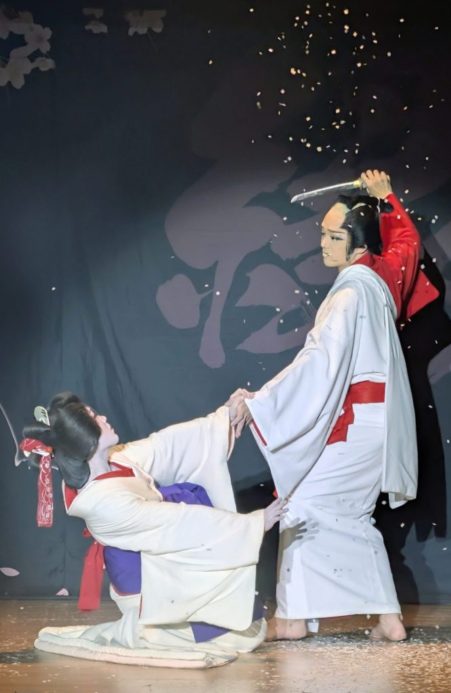
The Taishu Engeki Performers – The Role of Travelling Troupes
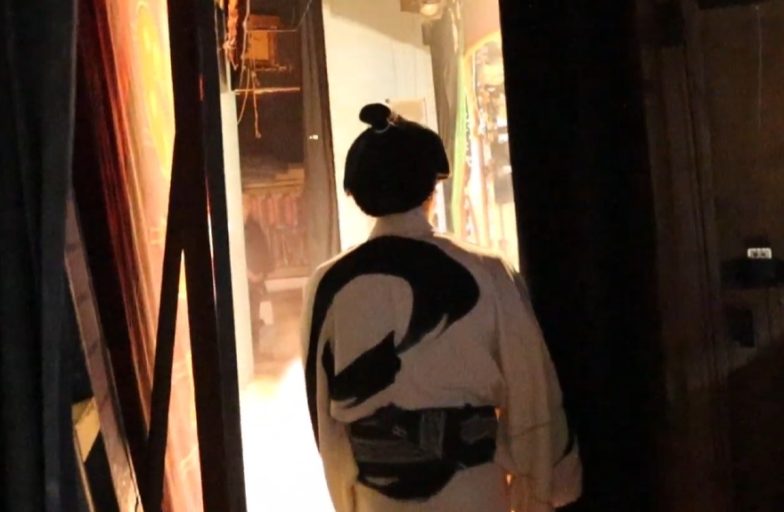
Taishu Engeki is performed by professional traveling troupes, known as za (座). These troupes live and train together as they move from theater to theater across Japan. In many cases they are all family and members are born into the group. Each troupe has its own style, star performers, and loyal fans.
At Asakusa Mokubakan, a different troupe performs each month. This rotating schedule keeps the theater fresh and allows audiences to experience a wide range of performance styles throughout the year.
Drama, Swordplay, and Dance in a Single 90-Minute Performance
A typical Taishu Engeki experience is usually divided into two parts:
1. The Theatrical Drama:
The first part is a dramatic story, often set in the Edo period. These stories frequently involve samurai, but the focus is less on action and more on relationships, loyalty, family duty, and personal struggle. Even for first-time viewers, the emotions are clear and easy to follow.
2. The Theatrical Dance Show:
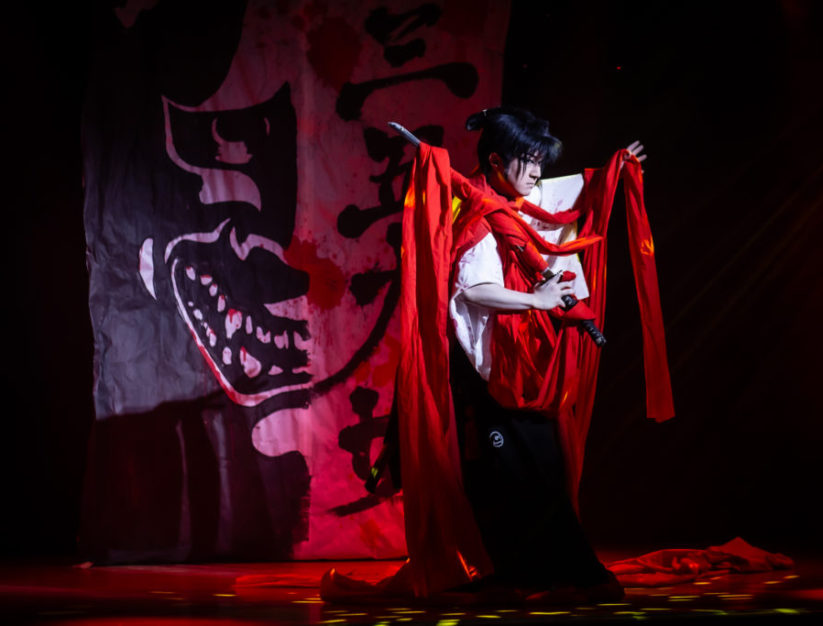
The second part is a dance performance. Actors appear in colorful costumes and perform choreographed dances, sword fights and singing shows set to music that can range from traditional Japanese songs to more modern styles. This section is less serious and more lighthearted. For many visitors, it becomes the highlight of the show.
The Art of the Onnagata
*Onnagata = Male performer dressed femininely.
One of the most distinctive elements of Taishu Engeki is the onnagata, male actors who specialize in female roles. Through posture, movement, and expression, these performers portray women with remarkable elegance and precision.
In Taishu Engeki, the term onnagata is used instead of the Kabuki term oyama. This difference highlights the unique traditions of popular theater and reflects its independent development within Japanese stage culture.