
The All-Female Theatre, Japanese Takarazuka Written by Emma Lachenmann
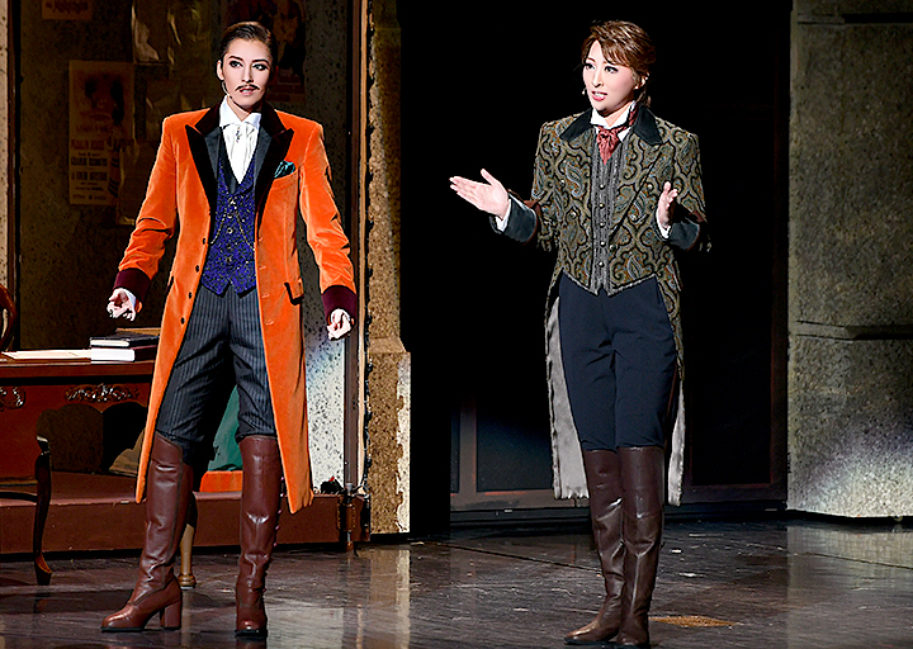
If you are already familiar with the captivating world of Taishu Engeki, you likely appreciate it’s historical roots and the effortless way it’s performers slip between different roles, such as onnagata. You know that within it’s vibrant performances, gender is treated as a highly fluid, interchangeable tool. However, the Japanese theatre culture holds another lesser known phenomenon that approaches identity from a different angle. The Takarazuka Revue was established in the 1900s in the Hyogo region nearby Osaka, and boasts an all-female cast that creates highly polished, idealized visions of gender.
The Craft of Otokoyaku
At the absolute center of the Takarazuka is the Otokoyaku 男役.
The first kanji character, 男 “otoko”, is the character for “man” or “male”. The second character, 役 “yaku”, represents “role”, “part”, or “theatrical character”.
Unlike a Taishu Engeki actor who may often switch between masculine and feminine energy, the Otokoyaku embody a deeper, permanent masculinity. The performers command the stage with authority, while speaking and singing in a rigorously trained lower vocal register. During the mid-1900s, these performers further refined their skills by studying the brooding, macho mannerisms of Hollywood stars to modernize their routines.
The intense dedication of the performers has cultivated a fiercly loyal female fanbase, as the Otokoyaku offers a more refined and appealing version of modern masculinity for the female audience. By women, for women. While some international critics and commentators primarily discuss the fact that this creates a same space for same-sex attraction in traditional culture, focusing entirely on that aspect often diminishes the theatrical expertise and talent of the performers themselves.
The Art of the In-Between
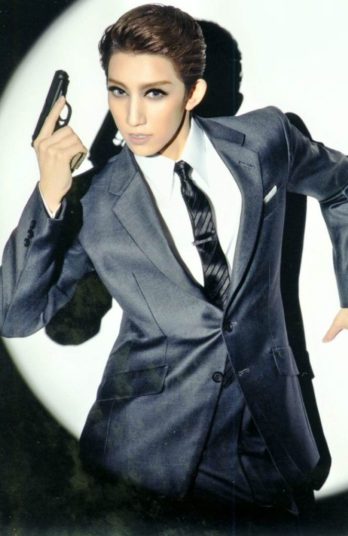
Takarazuka also often ventures beyond strict categories through it’s use of Chusei 中性 characters. Chusei translated to “between genders” or “neutral gender”.
Instead of simply adopting the traits of strictly one gender, the performers create a neutral, androgynous identity. They deliberately blend the desirable characteristics from both sides of the spectrum to forge a unique presence that is non-binary. This is very distinct from the Taishu Engeki performer’s approach, where the performer will rely on explicitly masculine or feminine choreography and clothing to signify a specific gender. In Takarazua, the Chusei creates something entirely unique that exists perfectly in the middle.
Divergent Paths, Universal Rhythms
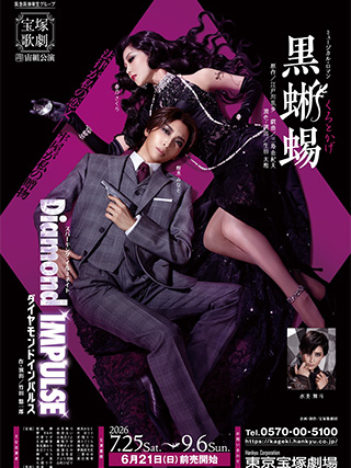
Ultimately, the core difference between these two art forms lies in their relationship to the portrayed characters. Taishu Engeki transitions between stereotypical rules or masculinity and femininity, whereas Takarazuka explores deep idealized masculinity, in addition to exploring the themes between masculinity and femininity simultaneously.
Yet, between both differing philosophies, both stages share a powerful, unifying theme. Performers from both backgrounds rely on the same fundamental progression of movement, maintaining the audience’s attention by accelerating from a slow, deliberate start to a rapid, dramatic crescendo finale. Both performers ultimately harness the same visual tension, in their ultimate goal to entertain and leave the audiences breathless.
Edited and Published by Liam Hallin