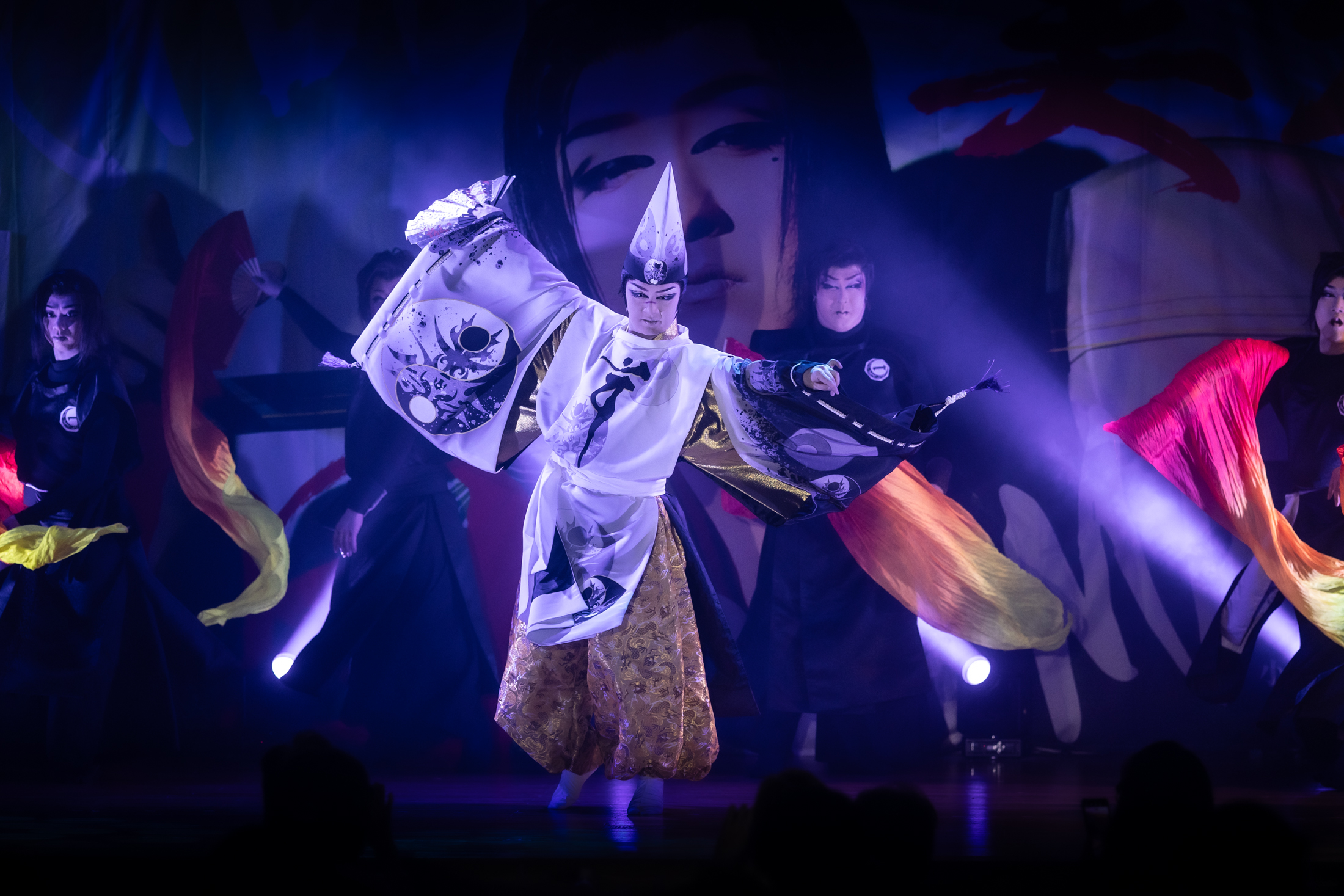
New to Taishu Engeki? Here’s What You Can Expect
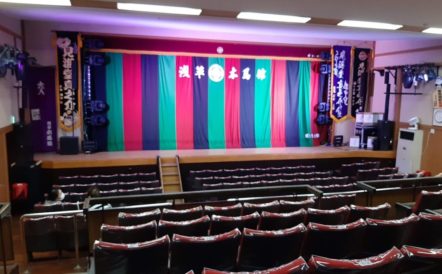
Welcome to the famous Mokubakan Theatre.
Taishu Engeki is a very unique Japanese theatrical experience, enjoyed by local Japanese citizens, now being shared to people visiting Japan from all over the world.
Whether you are visiting the famous Shinohara Mokubakan Theatre, or reading our website from around the world, we humbly thank you for your interest in our culture.
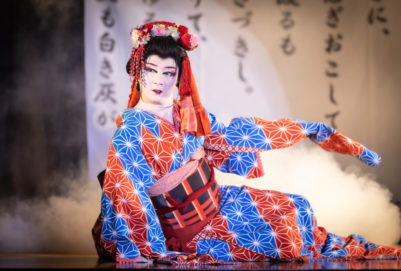
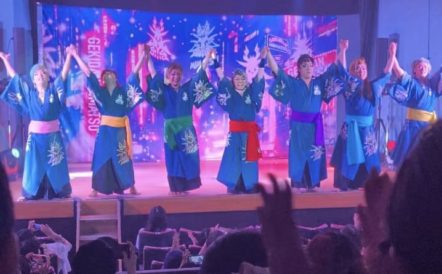
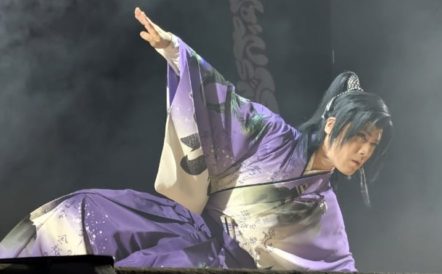
Taishu Engeki is unlike anything you may have seen before. It is not “simply a dance show”, but a theatrical Japanese performance which changes everyday, and may involve:
- A mix of modern and/or traditional dance;
- Theatrical modelling, acting and/or posing;
- Japanese instruments;
- Japanese traditional dance accessories, such as Katana, Fans, or Umbrellas;
- Extravagant, authentic Japanese kimonos;
- Modern, or western-inspired clothing.
- …and many more unexpected themes
TAISHU ENGEKI VOCABULARY
This is a vibrant and intimiate form of art and theatre, however, if you are to to Taishu Engeki, we have a quick run-down of some important words associated with the art form:
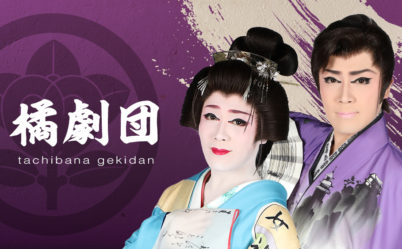
- Zacho (座長) – The Theatre Troupe Leader
The face of the Taishu Engeki group is the Zacho. They often serve as the primary artistic director, the organizer, and the public face of the group for marketing purposes. They make the critical, behind-the-scenes decisions about performances while simultaneously taking on the major, leading actor roles on stage. As the Zacho is the face of their group, they often have a deeply personal connection with their audience. - Hanagata (花形) The Rising Star
Another exciting figure to witness as part of the Taishu Engeki group is the Hanagata, translating to “star performer”. This term refers to a specific young performer who is exceptionally popular or shows incredible potential. While the Hanagata may not lead the group, they frequently receive significant stage time and have a rapidly growing fanbase. Watching a Hanagata perform is exciting, as the audience often get to witness the early stages of a future Zacho’s career. - Onnagata (女形) Performer of Female Roles
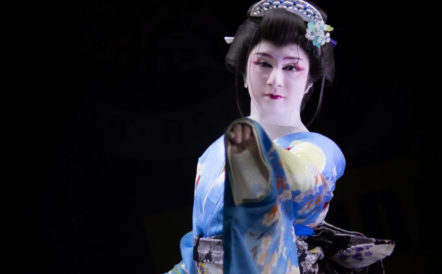
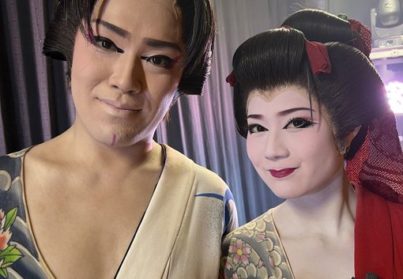
One of the ongoing traditions in Taishu Engeki is the art of the Onnagata. This term refers to a male performer who specializes in portraying female roles. Through highly intricate makeup, delicate expressions and elaborate costumes, they create an idealized feminity that goes beyond simple imitation. - Okuridashi (送り出し) The Post-Show Goodbye
A factor which makes Taishu Engeki so intimate, and facilitates a deep connection between audience and performers. The Okuridashi is a post-performance greeting where the performers personally thank and say goodbye to the audience members. After the show, the performers will stand at the theatre exit to exchange a few words, accept small gifts or letters, and allow photo opportunities. While these moments are usually short, they allow the fans of the performers to have a personalized moment and a conversation with their favorite performers.
OTHER HELPFUL TERMS
To fully navigate your first show, here are a few other common terms to keep in your back pocket:
- Gekidan (劇団): The theater troupe or company.
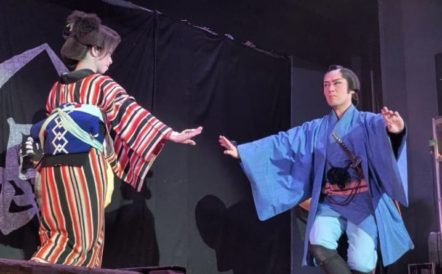
- Oshibai (お芝居): The dramatic play portion of the performance.
- Buyō Show (舞踊ショー): The dance revue segment, often featuring elaborate costumes and modern music.
- Ōiri (大入り): A “full house,” indicating a well-attended and successful performance.
- Ōen (応援): Supporting or cheering for a favorite performer.
Not only is every single show different, but each Taishu Engeki performance group specializes in different themes. One month’s group may have performers specializing in instruments, and the next month’s group may have famous actors, and the next month’s group may have child performers. Performers within each group will also have different specializations. Each performance will have a wildly different style, pace, and outfit. You never know what to expect!
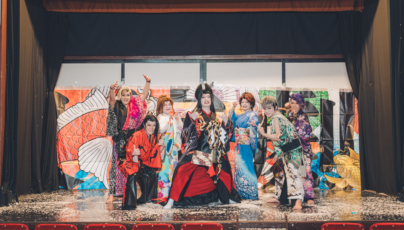
What you can expect is to watch several short performances from various members of the Taishu Engeki group, and the show will finish with a choreographed performance involving many, if not all members of the group. The final performance each day can vary from comedy, to traditional, to modern; it can vary from fast-paced dance to slow-paced theatrical performance. Regardless of the style of performance, if you keep an open mind, you can enjoy this local, grassroots Japanese theatrical experience.
During the show, the performers may come into the audience and walk through the theatre, allowing for intimate, up-close experiences with members of the audience. You may often see audience members give various gifts during, or after an individual performance. In Western countries, you can compare this to “tipping”, but it has a different cultural meaning as part of Taishu Engeki. You may see performers receive cash, envelopes, flower necklaces/lei, or large gifts such as accessories. International guests are also welcome to participate in this gift-giving exchange, if you see an outstanding performance.
This is a unique opportunity to experience Japanese theatre culture up-close, like a local Japanese resident. We hope you can enjoy the show.