
Taishu Engeki Stories - Zatoichi, The Blind Swordsman
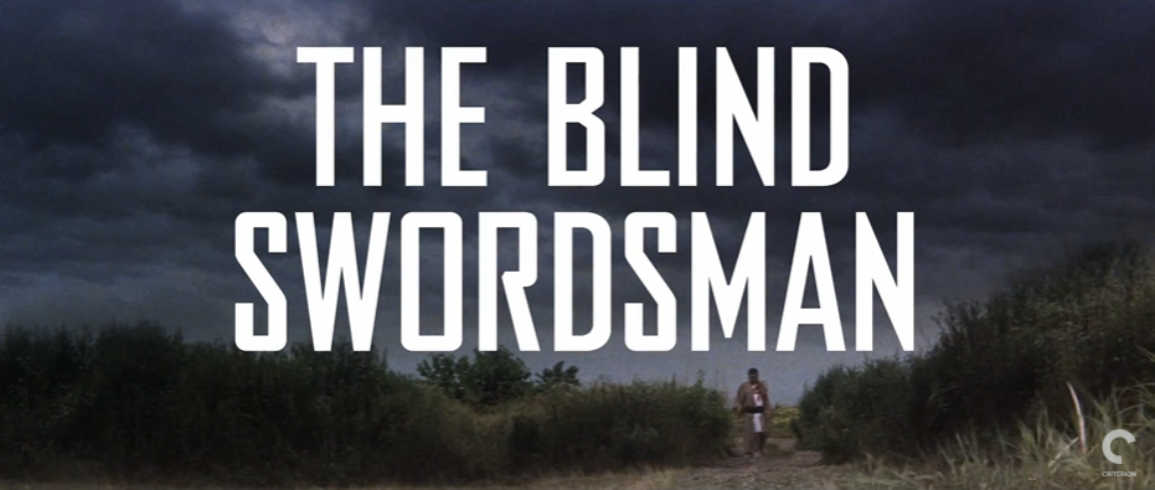
Veteran Taishu Engeki actors are multi-talented performers, often entering mainstream media such as films, drama series, and reality television. One Taishu Engeki performer has a large claim to fame, Tachibana Gekidan’s Chairman, Daigoro Tachibana, played a very successful and important role in the 2003 Japanese film Zatoichi座頭市 – The Blind Swordsman.
Throughout Taishu Engeki, there are many unique stories to be told, whether original stories or well-known Japanese folktales or historical events. This series of blogs seeks to introduce and explain popular Japanese theatrical stories for English and foreign audiences.
Tachibana Daigoro’s Role
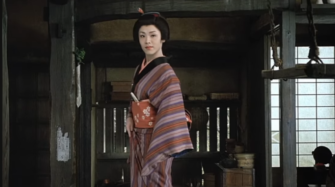
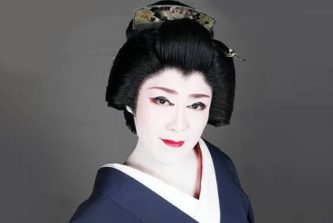
A 17-year old Daigoro played the role of a man named Seitaro Naruto going undercover as a Geisha, a traditionally dressed Japanese woman, named Osei. This character launched Daigoro into stardom, helping cement his theatrical career and granting him the title of “The Prince of Onnagata”.
Daigoro’s character’s O-sei is an undercover geisha sibling who is travelling with a sister and seeking revenge for the murder of their family ten years ago by the yakuza who are terrorizing the town. They meet and assist the protagonist of the film, Zatoichi, and are pivotal characters throughout the plot of the film.
The Story of the 2003 Film Rendition of Zatoichi
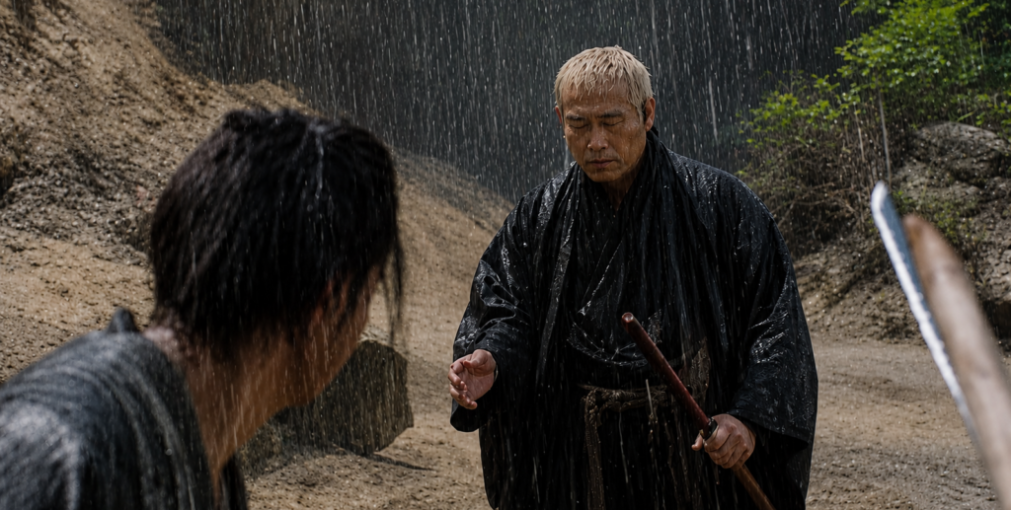
Zatoichi, The Blind Swordsman, is the story of a travelling blind masseuse who also possesses a sword and a strong sense of justice. Upon his arrival, Zatoichi befriends a local farmer, Oume, and her young nephew Shinkichi, learning from them that the village is under the control of two warring yakuza gangs, extorting the innocent villagers for money. As Zatoichi further explores the village, he meets Daigoro’s character Osei, and her sister Okinu, the two geisha sisters who are undercover on a mission for revenge. The Yakuza who are terrorizing the village are also the murderers of the Geisha sister’s family 10 years earlier. The geisha sisters tracked the Yakuza to this very town, and meet Zatoichi in a chance of fate. Zatoichi, after hearing about their story and their suffering, chooses to help the sisters. The Yakuza, have also hired a skilled Ronin, named Hattori Gennosuke, a mercenary desperate for work to pay for and care for his dying wife. His path inevitably crosses with Zatoichi, for a dramatic confrontation.
Zatoichi in Japanese Media
The story of Zatoichi is not exclusive to the 2003 film though. Zatoichi is a fictional character created in the 1900s by writer Kan Shimozawa, and has been portrayed by 5+ different live-action performers from 1962 to 2010, and he has been the subject of one of Japan’s longest-running film series, boasting over 20+ individual films. Although the plot slightly varies in individual Zatoichi films, there are common themes and formulas of his character. The ever-wandering sword-master protects the innocent from oppressive and warring Yakuza gangs, fights injustice and often accidentally stumbles into harm’s way. He deems himself undeserving of the love and respect that people show him as gratitude for his actions, as he believes himself to be a corrupted and evil man, on a path to somehow redeem himself and atone for his unknown past failings. Despite his mostly compassionate nature, killing comes very naturally to him. Zatoichi is also an infamous gambler when he is not fighting, despite being totally blind. He uses his strengthened hearing to hear whether dice have fallen on even or odd numbers.
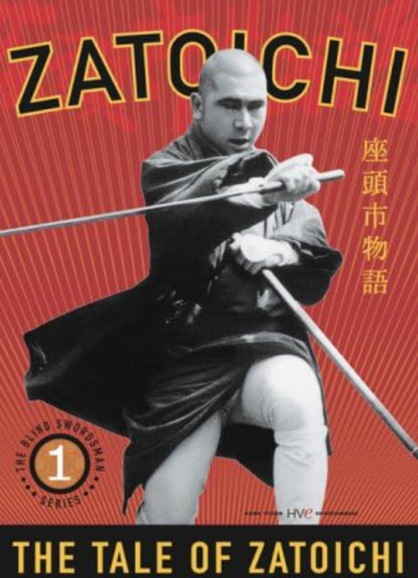
The themes told in Zatoichi are shared with Samurai, or Ronin stories, with heavy emphasis on revenge, personal code of conducts, hidden skills, justice outside of the law, becoming moral enforcers when the government fails to act. These same themes are often explored in various Taishu Engeki stories, and throughout Japanese media.
If you are interested in seeing dramatic Japanese theatre plays, such as the story of Zatoichi,
the theatre offers a different theatrical drama and dance show every single day.
You can read more about Taishu Engeki history and culture here
You can purchase tickets for the Asakusa Mokubakan theatre show here