
Taishu Engeki and Kabuki, What's the Difference? What separates high-culture theatre from your local theatre?
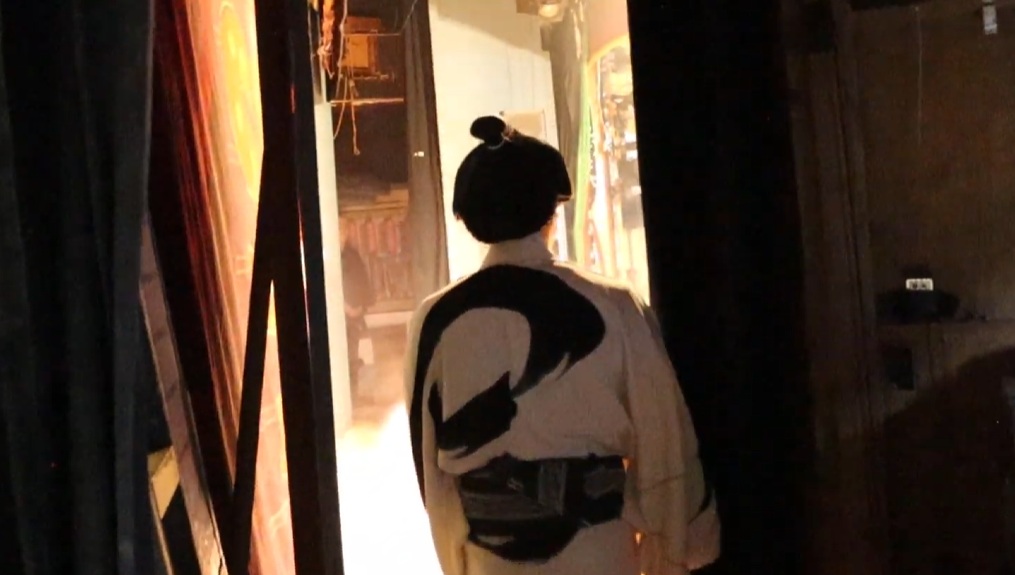
First time reading about Kabuki, Taishu Engeki, or Japanese theatre in general?
Don’t worry, we’ll tell you everything you need to know!
Most people have heard of Kabuki, one of Japan’s most famous traditional theatre forms. Kabuki is known for its striking costumes, dramatic makeup, and visually impressive performances, and is often the first type of Japanese theatre people encounter.
Alongside kabuki exists another, much lesser-known form of theatre called Taishu Engeki 大衆演劇. While kabuki is usually performed in large theatres and follows strict traditions, Taishū Engeki is more intimate, flexible, and closely connected to its audience. Often described as “theatre for the people,” it focuses on emotional storytelling, affordability, and direct interaction between performers and spectators.
But let’s start from the beginning:
What is Kabuki?
Simply put, Kabuki (歌舞伎), is a form of traditional Japanese theatre with over 400 years of history. The Kanji characters consist of the Japanese characters for song 歌, dance 舞, and acting 伎. These are the key elements in any theatre, not limited to only Japanese theatre. However, more specific elements found in Kabuki include the following:
- Elaborate, extravagant costumes and make-up.
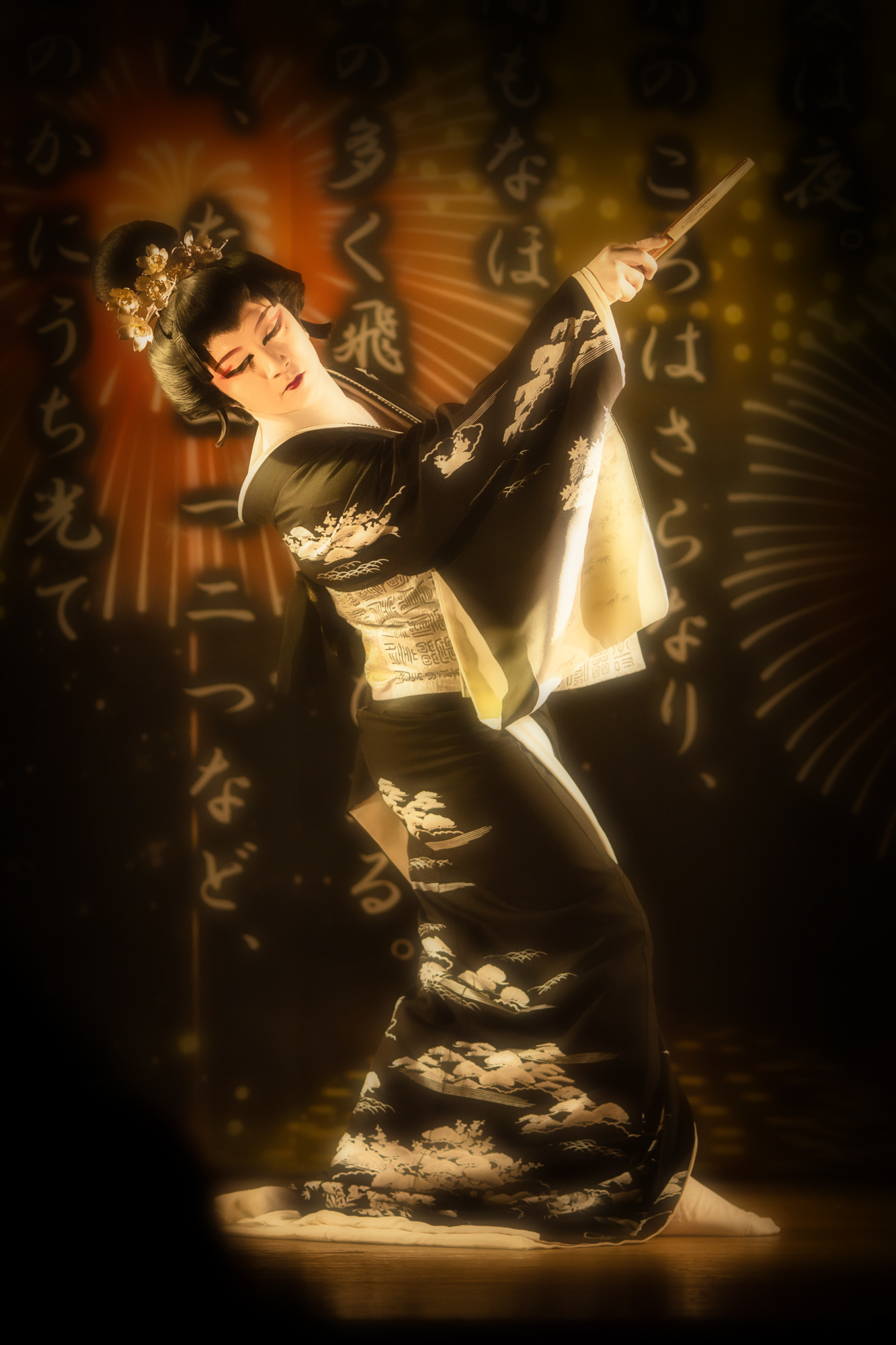
- Male performers assuming the roles of female characters (Onnagata).
- Use of traditional Japanese instruments, such as the Shamisen (a three-stringed instrument similar to a Western guitar/banjo), with a heavy emphasis on Enka Music (old-fashioned, traditional Japanese music)
- Unique set designs (runway through the audience, revolving stages).
- Stereotypical character archetypes (good vs. evil, and/or duty vs. emotion).
- Performer-centered scripts and plays. The family lineage of performers is very important in the Kabuki world.
A Brief History of Kabuki
Kabuki, nowadays, is known for it’s male actors performing as women, due to women traditionally not being able to perform in Kabuki. However, ironically, Kabuki originated with women theatre groups in Kyoto, in the early 1600s. The female performers would often offer their “private services” to high-paying customers, such as Samurai, after the theatrical performances. This caused alot of arguments and discourse between the performer and the customer, and this led to a ban of female performers in 1629.
After the ban, male actors took over and began to perform, both masculine and feminine roles, thus creating the act of onnagata (女方). You can click here to read specifics about Onnagata. As younger men often had softer facial features, they would be used for the female roles. However, the same situation arose, with Samurai requesting the services of younger men, leading to yet another ban. With only adult male actors remaining, Kabuki shifted it’s focus away from erotic appeal, and more towards theatrical, stylized acting with codified movements. Despite this shift, and becoming heavily regulated by the government, Kabuki continued to grow in popularity.
However, government regulation led to Kabuki becoming increasingly formal, expensive, and unrelatable in everyday life. It remained admired for its artistic integrity, but became inaccessible to the broader public.
From Kabuki, Taishu Engeki is Born
In response to the growing inaccessability of Kabuki, Taishu Engeki is born. People started longing for a relatable theatre that focuses on qualities that people enjoyed about original Kabuki: a deep connection with the audience, affordability, and emotional relatability. Taishu Engeki literally means “theater for the people”, and that is what it became. The Taishu Engeki theatre groups performed in smaller local venues, focused on emotional intimacy, and popular themes.
Although it shares roots with Kabuki, the atmosphere is very different:
- Kabuki is rather formal and often performed on large stages, while Taishu Engeki is smaller, more direct, and emotionally accessible. The stories move quickly and are designed to be understood through body language, tone, and movement as much as through dialogue.
- The Taishu Engeki show is divided into two parts. As opposed to Kabuki having 1 long theatrical drama, Taishu Engeki has the theatre drama, and also a dance show.
- Taishu Engeki incorporates a tipping culture that enables the audience to directly engage in the performance themselves. This intimate experience is called “Ohana (お花)”. Viewers get the chance to reward their favored performers or actors by attaching tips of money to their kimono, or directly offering gifts.
This tradition is maintained by the Asakusa Mokubakan, where the audience sits close to the stage, making it easy to interact with the performers.
The Taishu Engeki Performers – The Role of Travelling Troupes
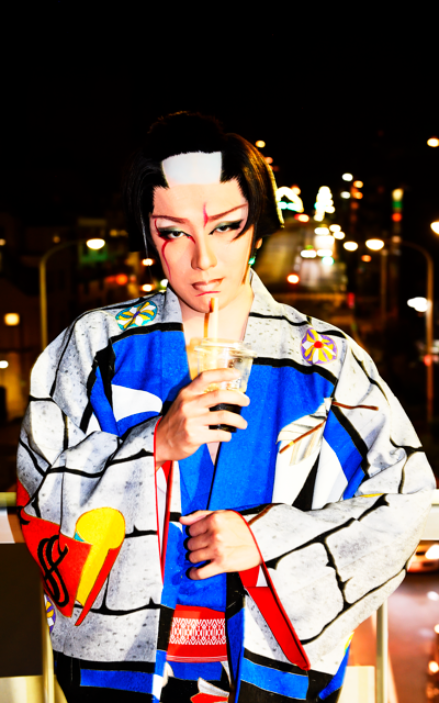
Taishu Engeki is performed by professional traveling troupes, known as za (座). These troupes live and train together as they move from theater to theater across Japan, typically staying at one theatre for 4-6 weeks, performing almost everyday for the duration of their stay. As the theatre groups travel Japan all-year, they may not return to the same theatre for 1-2 years. Due to this long wait, some loyal fans wait to attend their favorite group’s shows every day for the group’s entire visit!
Historically, Taishu Engeki groups were created as family businesses. While this is not always the case in modern Taishu Engeki, family remains an important theme in the art form. The core of the Taishu Engeki group may be from a family with outsourced performers, or there may be a few small family circles within a single group. Each group’s dynamic and style is totally different.
At Asakusa Mokubakan, this rotating schedule keeps the theater fresh and allows audiences to experience a wide range of performance styles throughout the year.
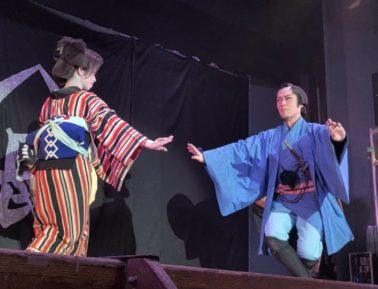
Drama, Swordplay, and Dance in a Single 90-Minute Performance
A typical Taishu Engeki experience is usually divided into two parts:
1. The Theatrical Drama:
The first part is a dramatic story, often set in the Edo period. These stories frequently involve themes such as samurai, revenge, yakuza, etc. but the focus is less on action and more on intangible emotions such as relationships, loyalty, family duty, and personal struggle. Even for first-time viewers, the emotions are clear and easy to follow.
2. The Theatrical Dance Show:
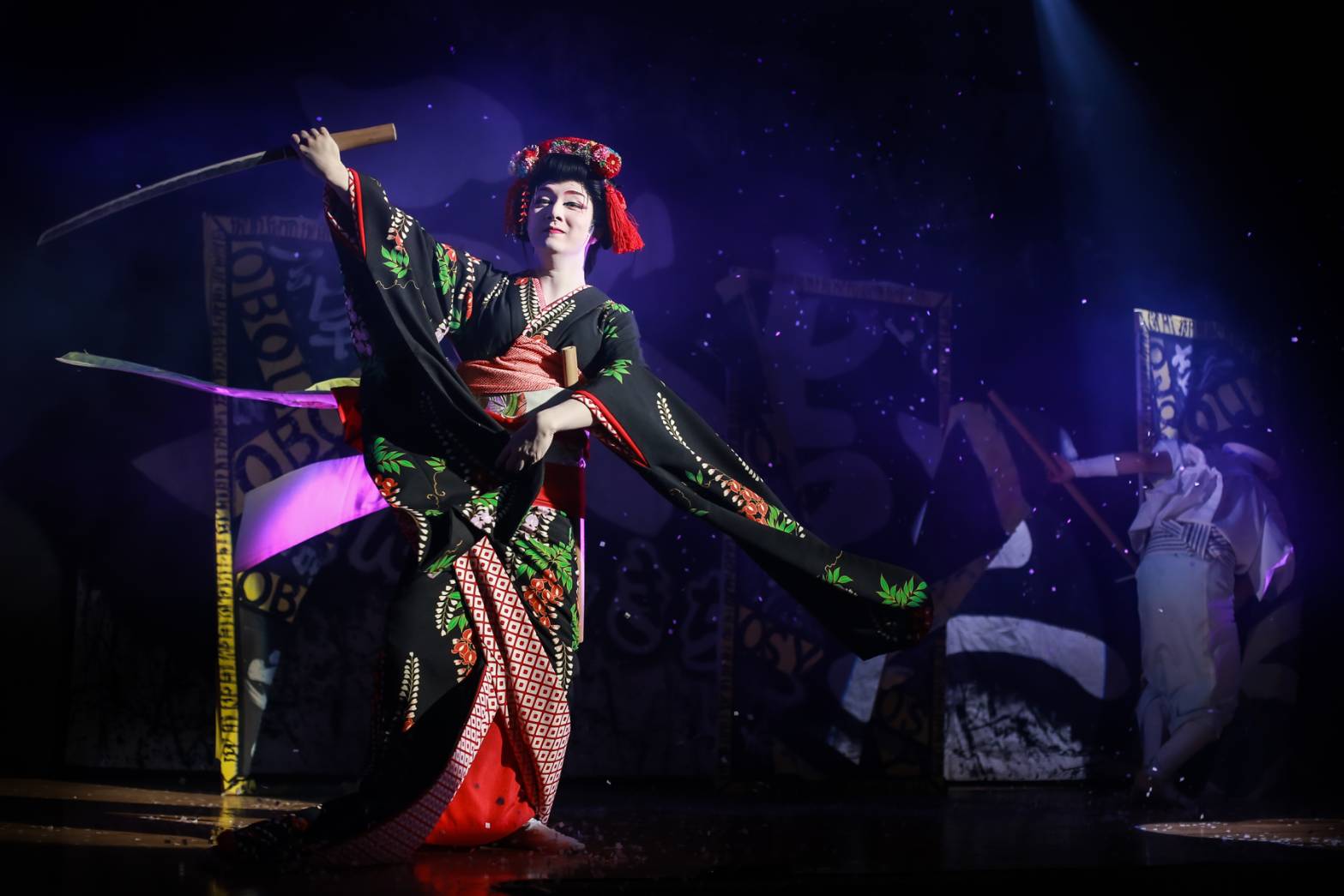
The second part is a dance performance. Actors appear in colorful costumes and perform choreographed dances, sword fights and singing shows set to music that can range from traditional Japanese songs to more modern styles. This section is less serious and more lighthearted. It can be traditional, comedic, western-inspired, and/or modern. For many visitors, it becomes the highlight of the show, as it has a more intimate connection with the audience.
If you are interested in seeing Taishu Engeki for yourself,
the theatre offers a different theatrical drama and dance show every single day.
You can read more about Taishu Engeki history and culture here
You can purchase tickets for the Asakusa Mokubakan theatre show here