
Enka Music, the Music of the Japanese Working Class
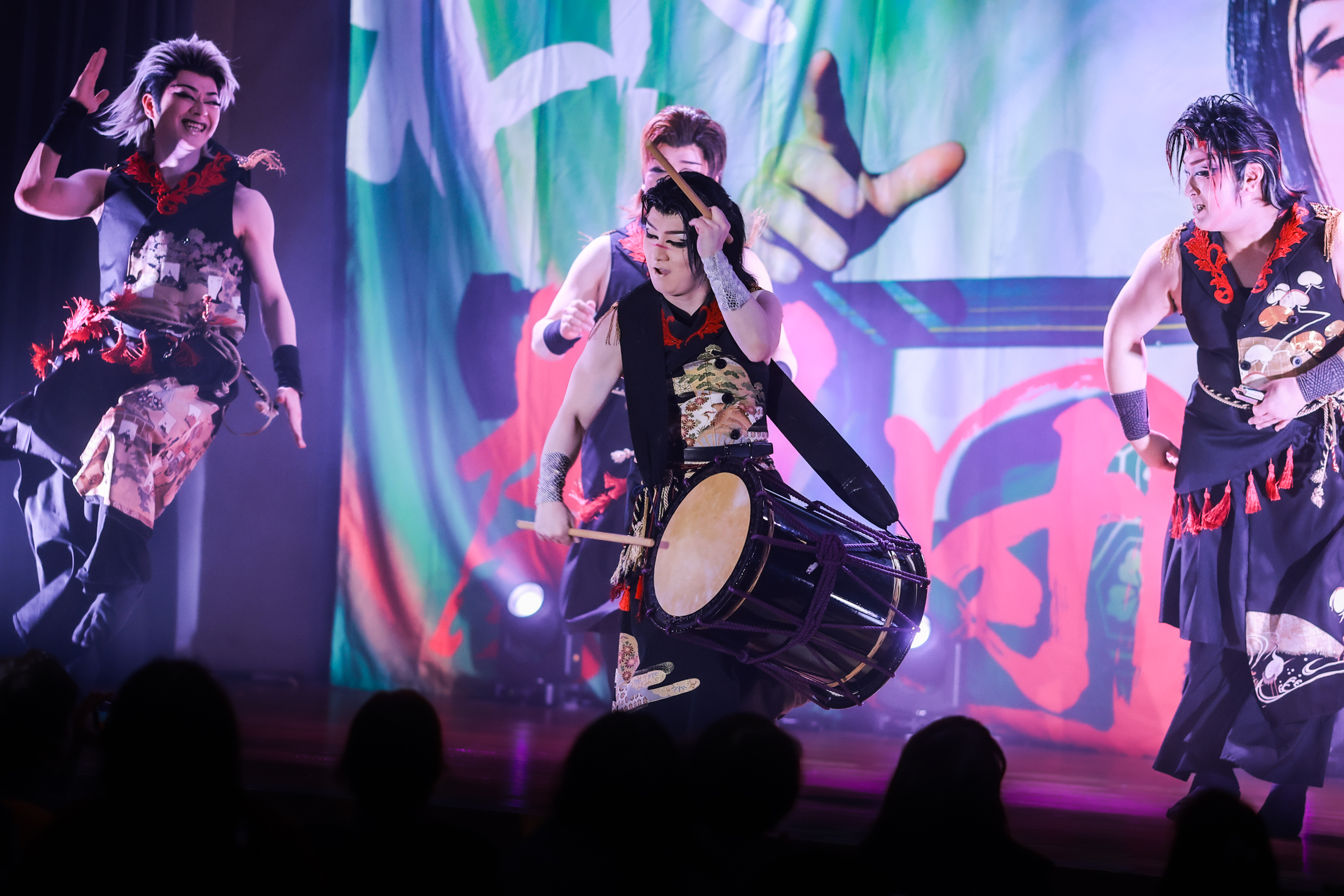
Theatre Group Gekidan Mimatsu with a Taiko drum
If you have ever wandered through the retro alleyways of Tokyo or stepped into a traditional Japanese pub, you have likely heard the distinctive, emotionally charged melodies of Enka. To someone who has never encountered it before, Enka can be
described as the Japanese equivalent of American country music or the blues. It is a deeply traditional style of popular music that emphasizes dramatic vocal performances, characterized by a unique, trembling vocal vibrato technique known as kobushi. For
decades, it has served as the musical heartbeat of the Japanese working class, conveying intense feelings of longing, romance, and resilience.
The Heart and Soul of a Generation – Enka Music
The origins of the genre are quite surprising and differ greatly from its current, modern form. The word “Enka 演歌“ originally emerged during the Meiji period in the late nineteenth century, functioning not as entertainment, but as a form of political activism.
The two kanji, 演歌, directly translate to “dramatic or performed song”, but with context, it moreso means something akin to an expressive ballad, or theatrical style of singing. The first character adds the context. The first kanji, “En 演”, is to specifically perform on stage, or express something outwardly, or to enact. The second kanji, 歌, is the standard character for a song, or to sing.
Activists would sing their speeches in a form of peaceful protest, to bypass strict government censorship laws. However, the modern version of the music that people recognize today truly took shape during the post-war Showa era (1945 – 1952). As Japan rapidly began to modernize, this musical style was crafted to evoke a sense of Japanese identity and unity, successfully blending Western instruments like the guitar and saxophone with traditional Japanese scales and melodies.
The lyrical content of this genre is famously deep and emotional, focusing heavily on themes of profound loss, romantic heartbreak, and the bittersweet nature of life. Songs frequently revolve around the concept of “furusato”, which is a deep, nostalgic yearning for one’s hometown, and “how life used to be simpler”. Other common themes include drinking away the emotions alone in taverns, staring out into the ocean, and enduring through painful situations.
Culturally, this music is often described as representing the true soul of Japan. It deeply resonates with older generations who lived through the post-war rebuilding period, offering an outlet for expressing secret grief and celebrating stoic endurance in the face of hardship.
Mikado Chuuji
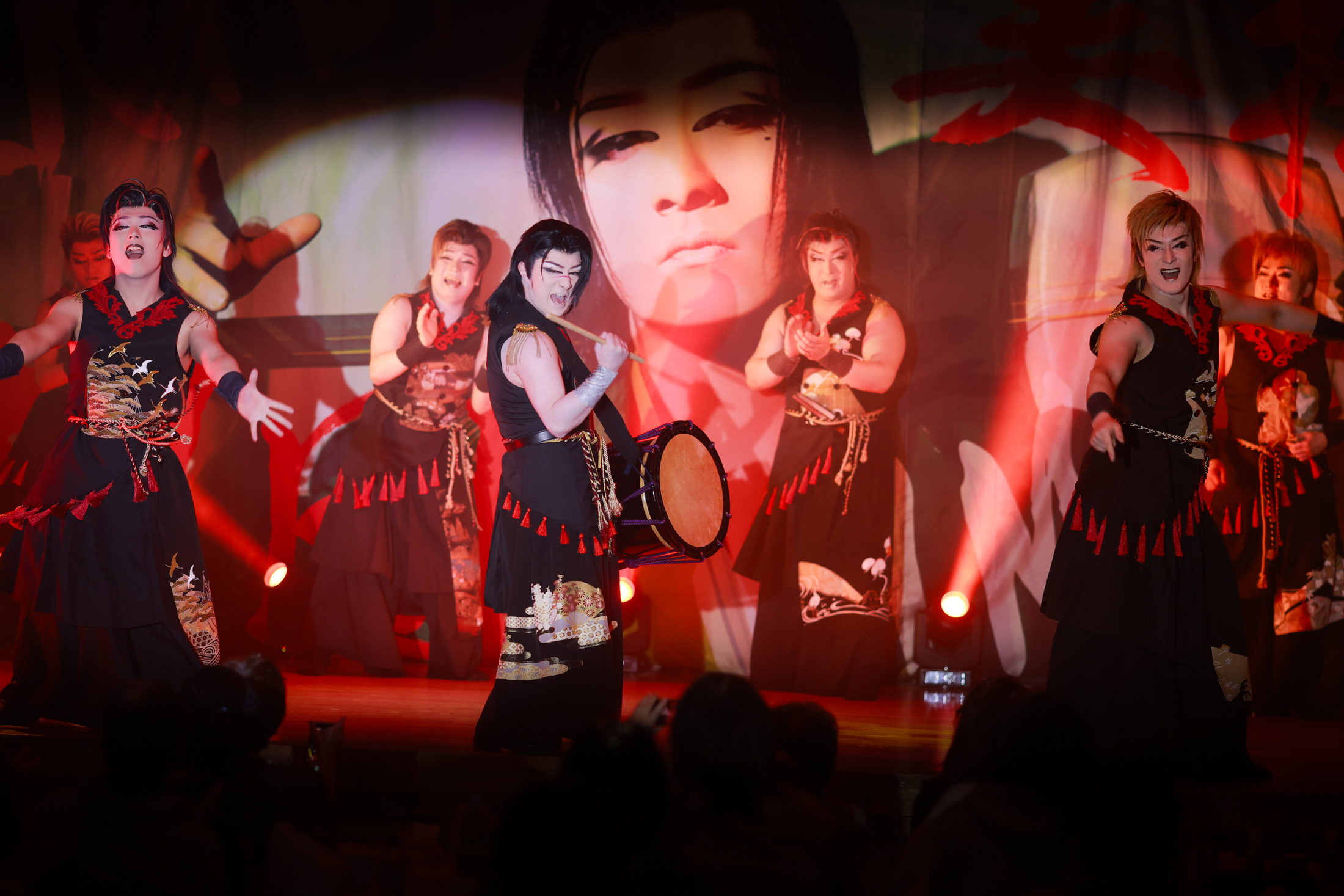
Gekidan Mimatsu
Enka in Taishu Engeki
Today, while mainstream pop and rock dominate the commercial charts, this traditional genre still holds a beloved place in the aging demographic of Japanese society. It remains a staple in karaoke bars across the country and is celebrated during massive television events. Most notably, it serves as the vital soundtrack to Taishu Engeki.
During the theatrical dance revue segments of a Taishu Engeki show, actors wear elaborate kimonos and perform highly dramatic, stylized dances directly choreographed to these emotional ballads. The deep emotion and passion of the music perfectly matches the exaggerated, expressive movements of the actors on the stage. This pairing allows the performers to convey powerful, unscripted stories of tragic love and human duty without uttering a single word, relying entirely on the singer’s voice to guide their performance.
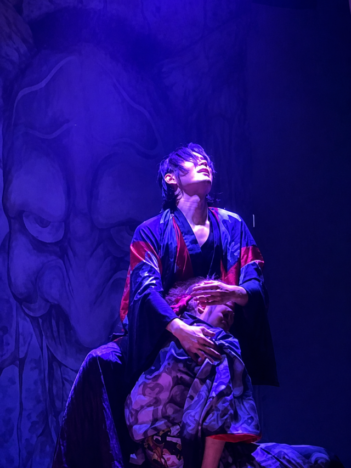
Gekidan Mimatsu and Asakusa Kaguwa Dramatic Performance
While it may seem distant from the bright pop culture often associated with modern Japan, Enka remains a crucial window into the emotional landscape of the country. From its surprising roots in political protest to its current role as the beating heart of Taishu Engeki stage performances, it offers a raw, unfiltered look at human resilience and sorrow. For anyone looking to truly understand the sentimental core of Japanese culture, exploring these powerful ballads is an essential and rewarding experience.
Edited and Published by Liam Hallin