
3 Must-Watch Movies Including Taishu Engeki Written by Emma Lachenmann
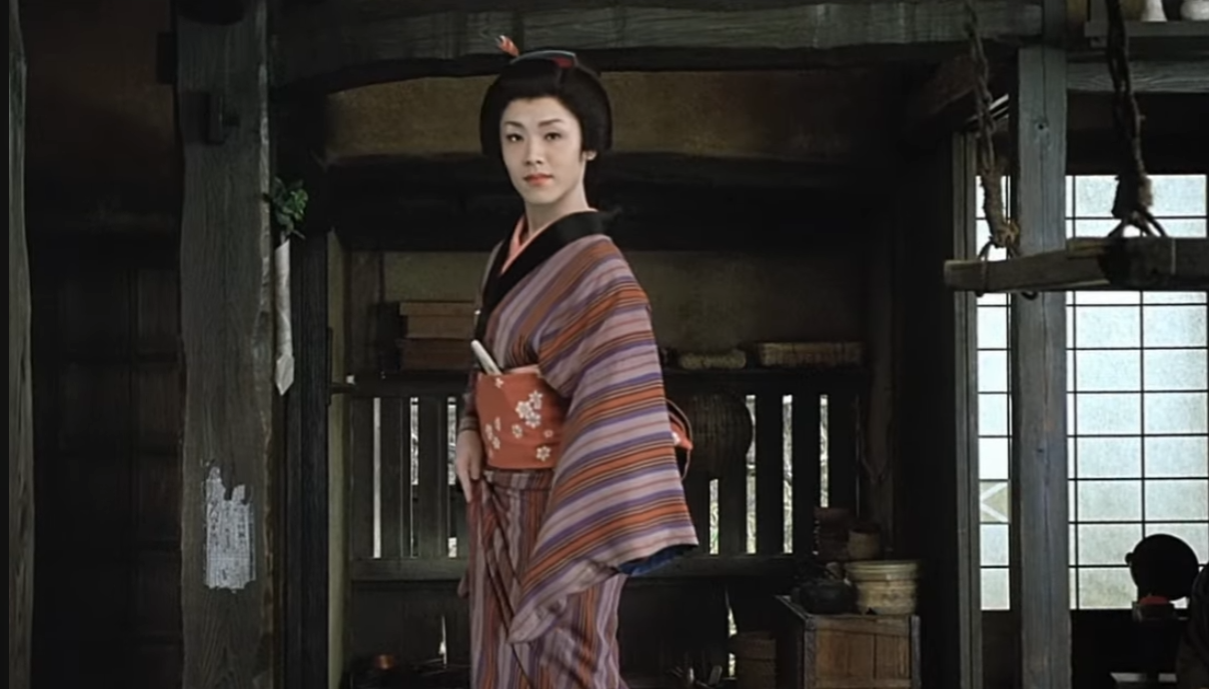
Tachibana Gekidan's Chairman, Tachibana Daigoro, in the film 'Zatoichi - The Blind Swordsman'.
If you have ever wanted to dive into the heart of Japanese working-class culture, look no further than Taishu Engeki, or “popular theater.” Unlike the rigid, aristocratic world of classical Kabuki, Taishu Engeki is all about intimacy, explosive energy, and an immediate connection with the crowd. It features traveling troupes moving from city to city, blending historical melodrama with flamboyant dance numbers set to contemporary J-pop. For cinema lovers looking to understand this vibrant, often overlooked art form, several exceptional films offer the perfect backstage pass.
1. Confetti (2023)
Saving a Tradition From The Shadows
The ultimate, modern gateway to the world of Taishu Engeki is Japanese director Naoya Fujita’s brilliant coming-of-age film, Confetti. Titled “Mabata no Tenkousei” in Japanese, which does not translate to Confetti, but has a very deeply layered meaning in Japanese which is difficult to translate. It carries the meaning of “the transfer student who arrives into your inner world”.
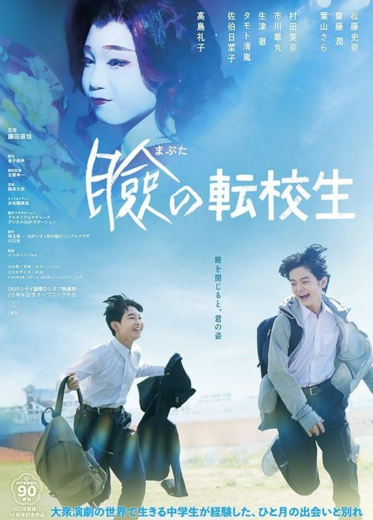
Japanese Film Poster for Confetti (2023)
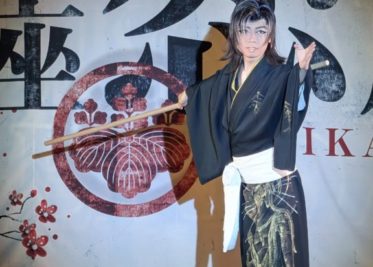
16 year old teenage performer in Kiryuza Koikawa Gekidan.
2. Floating Weeds (1959)
The Classical Soul of the Road
To understand the historical roots of these travelling performers, director Yasujiro Ozu’s masterpiece Floating Weeds is an essential watch. Titled “Ukikusa” in Japanese, the meaning is a more direct translation, meaning “Floating Grass/Weeds”. The film is a remake of the director’s 1959 film “A Story of Floating Weeds”, but with the added benefit of adding color.
The film centers on an aging actor who brings his isolated Taishu Engeki theatre troupe to a small coastal town, where old romantic secrets and family dramas resurface. Ozu perfectly captures the literally translation of the film title, as Taishu Engeki performers are like “floating weeds”, drifting from town to town without ever truly feeling at home.
The film provides a gorgeous, melancholic look at an older perspective of the realities of these troupes, as the film is from the 1950s. It highlights the deep passion and sacrifice required to sustain a lifestyle completely detached from conventional society.
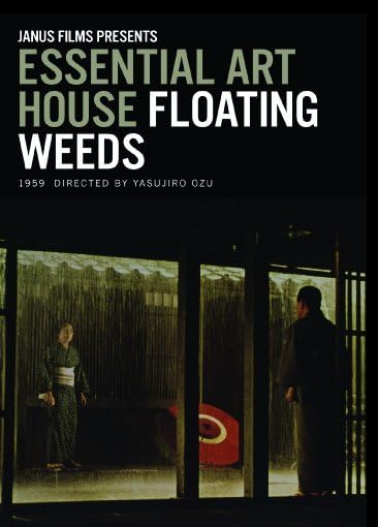
English localized film poster for Yasujiro Ozu's "Floating Weeds"
3. Zatoichi – The Blind Swordsman (2003)
The Unseen Pulse of Popular Spectacle
While films like Confetti or Floating Weeds tackle the themes of Taishu Engeki directly, other films share a more subtle DNA with the art form. The well-known, legendary Zatoichi franchise follows the adventure of a blind, master swordsman. At first glance, a gritty samurai action film might not seem directly connected to stage theatre, and it’s ties are not immediately obvious, but the connection is deep within it’s entertainment value.
The very essence of Taishu Engeki relies on Chanbara (highly stylized sword fighting) and heightened emotional melodrama designed to instantly thrill a live theatre crowd. Zatoichi thrives on these exact theatre elements. The exaggerated, rhythmically choreographed battles and the populist, anti-hero themes are pillars born directly from the stage. it represents the cinematic evolution of the stories travelling troupes have used to entertain audiences for centuries, not just in Japan but all over the world.
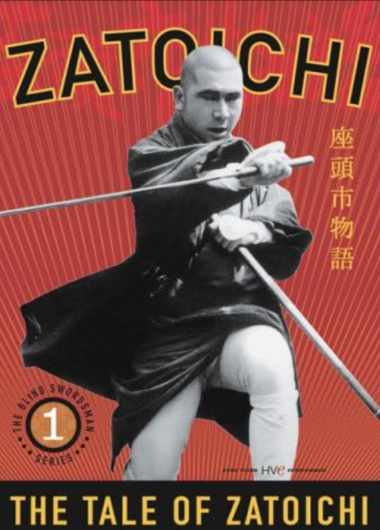
English localized film poster for Zatoichi - The Blind Swordsman (2003)
Whether you start with the modern, preservationist heartbeat of Confetti or wander through the classic frames of Ozu, these movies prove that the spirit of Japan’s popular theater remains completely unforgettable.
Edited and Published by Liam Hallin