An Introduction to Popular Theatre in China
Historically, Japan has been heavily influenced by China. Japan’s institutions, writing systems, religion, and philosophy were all inspired by Chinese models before eventually evolving into a uniquely Japanese identity. Japanese kanji is derived from China and still share similar meanings in the modern age; Buddhism is originally from China; and Japan’s earliest form of government is believed to have been inspired by China’s Tang Dynasty (Years 618-907). So, how do the two country’s modern theatre and arts cultures compare?
Peking Opera – (Jingju, 京剧)
Operatic Song, Dance, and Martial Arts
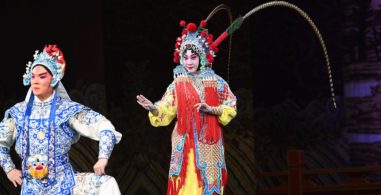
- The most well known form of Chinese live theatre, originating in Beijing during the Qing Dynasty (1644 – 1912). Combining singing, dramatic dialogue, martial arts, dance, and costumes. It is arguably the closest art form to Kabuki available in China. For international guests, it is recommended to attend a shorter curated performance with English subtitles, rather than a full-length traditional Peking show.
- The Liyuan Theatre in Beijing is widely regarded as the best introductory experience to Peking Opera for non-Mandarin speaking guests. The theatre offers one-hour shows, with English subtitles available. Guests will also have the unique opportunity to witness the performers apply their makeup before the show begins.
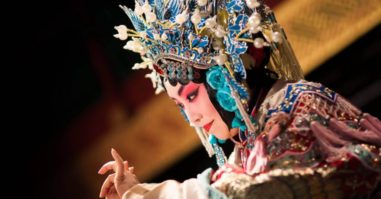
Peking is not the only form of Opera, however…
As China is one of the most largest, most populated countries in the world, there are many more regionally-specific forms of live theatre akin to Peking Opera, with their own specific specialities and themes:
- Kungu Opera (昆曲) – China’s oldest surviving form of theatre from the 1400s, heavily influencing Peking Opera. It is a very traditional, elegant art form with beautiful singing, poetic language, and a specific refined musical style.
- Yue Opera (越剧) – originating in the Zheijang Province, in the 1900s. Yue is especially famous for its romantic and gentle themes. Yue performers are mostly women, portraying both male and female roles.
- Sichuan Opera (川剧) – originating in the Sichuan Province in southwestern China in the cultural center in Chengdu, and the dominant theatrical style in the surrounding Chongqing region. Best known for it’s Bian Lian, a dramatic mask-changing technique, it also combines singing, comedy, and acrobatics into its visually striking theatre.
- Yu Opera (Henan Opera, 豫剧) – One of China’s most widely performed forms of theatre, it features relatable and easy-to-understand stories centered around historical heroes, family, and Chinese values. It is especially popular in central China.
Huaju – Spoken Stageplay Drama (话剧)
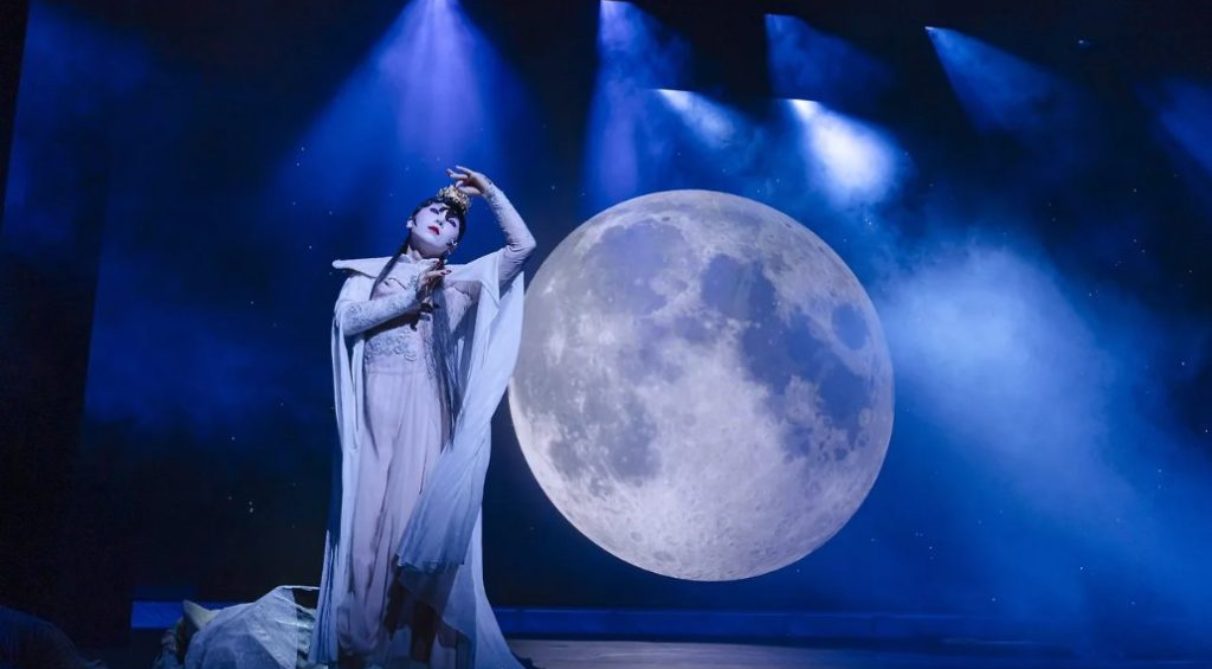
Modern Chinese theatre with heavy influence from Western and Shakespearian-style stage plays. Huaju uses more realistic dialogue and acting, rather than the strong usage of music and singing in the aforementioned Chinese Operas Peking or Kungu. As China began to modernize, Huaju slowly became the most dominant, popular form of dramatic theatre. Modern Huaju stage plays cover a wide variety of topics, such as daily family life, historical dramas, modern adaptations of Chinese novels and fairytales, and modern perspectives on political or social issues, very akin to Taishu Engeki‘s emphasis on local, more grounded stories.
Huaju is available for viewing in most city hubs in China, however Beijing is considered to be the birthplace. Guests can experience Huaju in the National Centre for the Performing Arts, and the Beijing People’s Art Theatre. Alternatively, Shanghai is another major theatre hub in China, with a vibrant, alternative arts scene. Guests can experience Huaju in the Shangai Dramatic Arts Centre, or the Shanghai Grand Theatre, both hosting a wide range of not only Chinese, but also international productions.
Most performances are entirely in Mandarin, and unlike the Peking Opera shows, English subtitles are not common outside of special international festivals.
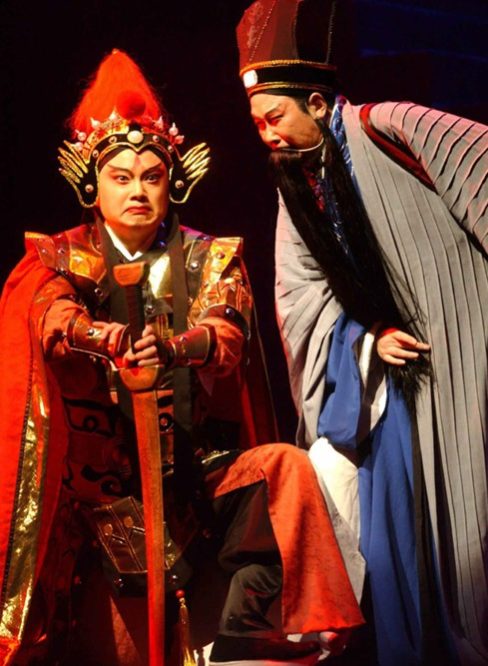
Xiangsheng (相声) – Duo Stand-Up Comedy
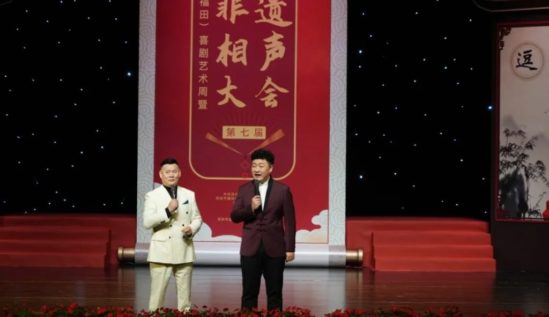
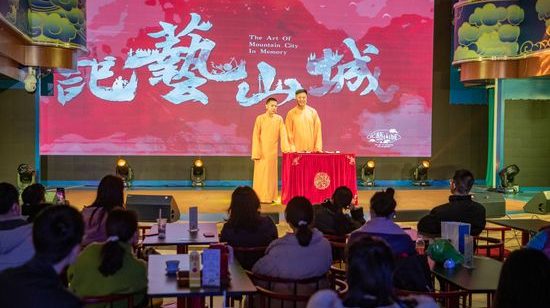
Xiangsheng, often translated as Crosstalk, is China’s beloved form of live comedy theatre. Unlike Huaju or Peking Opera, it is a simple, spoken comedy performing relying on humorous dialogue, impersonations, satire, and comedic timing. It primarily features two comedians in a specific duo: One performer plays the role of a funny or mischievous character (dòugén, 逗哏), while the other is a more serious, straight man (pěnggén, 捧哏), reacting to and setting up the jokes.
Because comedy is heavily reliant on language and wordplay, Xiangsheng is less accessible for international guests than Huaju and Peking Opera. However, if you do speak Mandarin or want to jump head-first into unique experience, we recommend searching around Beijing and Tianjin.
Japan’s most popular form of comedy is Rakugo, comedy delivered by a single, seated person. However, Rakugo is a very different form of comedy compared to Crosstalk. Chinese comedy is more comparable to Western, English-speaking comedy.