
How Japanese Theatre Survived
Television & Internet
In an age of streaming services, social media, and endless digital entertainment, Taishu Engeki seems like an unlikely survivor. This uniquely Japanese form of popular theater has existed for more than a century, yet it continues to attract devoted audiences across Japan. Considering the challenges posed by television, the internet, and changing entertainment habits, how has Taishu Engeki managed to endure?
The Challenge of Television
The first major threat arrived with the spread of television in postwar Japan. During the 1950s and 1960s, families increasingly stayed home to watch TV rather than attend live performances. Many traditional theaters struggled, and some closed their doors permanently. Like countless forms of live entertainment around the world, Taishu Engeki experienced a decline in popularity.
The Power of Personal Connection
However, television could never fully replace one of Taishu Engeki’s greatest strengths: the personal connection between performers and audiences. Unlike actors on a screen, Taishu Engeki performers interact directly with their fans. Audience members often attend multiple performances each month, speak with actors after shows, and support them through gifts and merchandise purchases. For many fans, Taishu Engeki is not simply entertainment—it is a community.

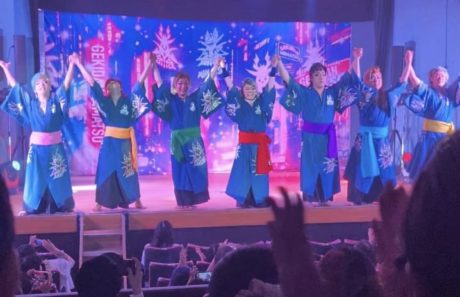
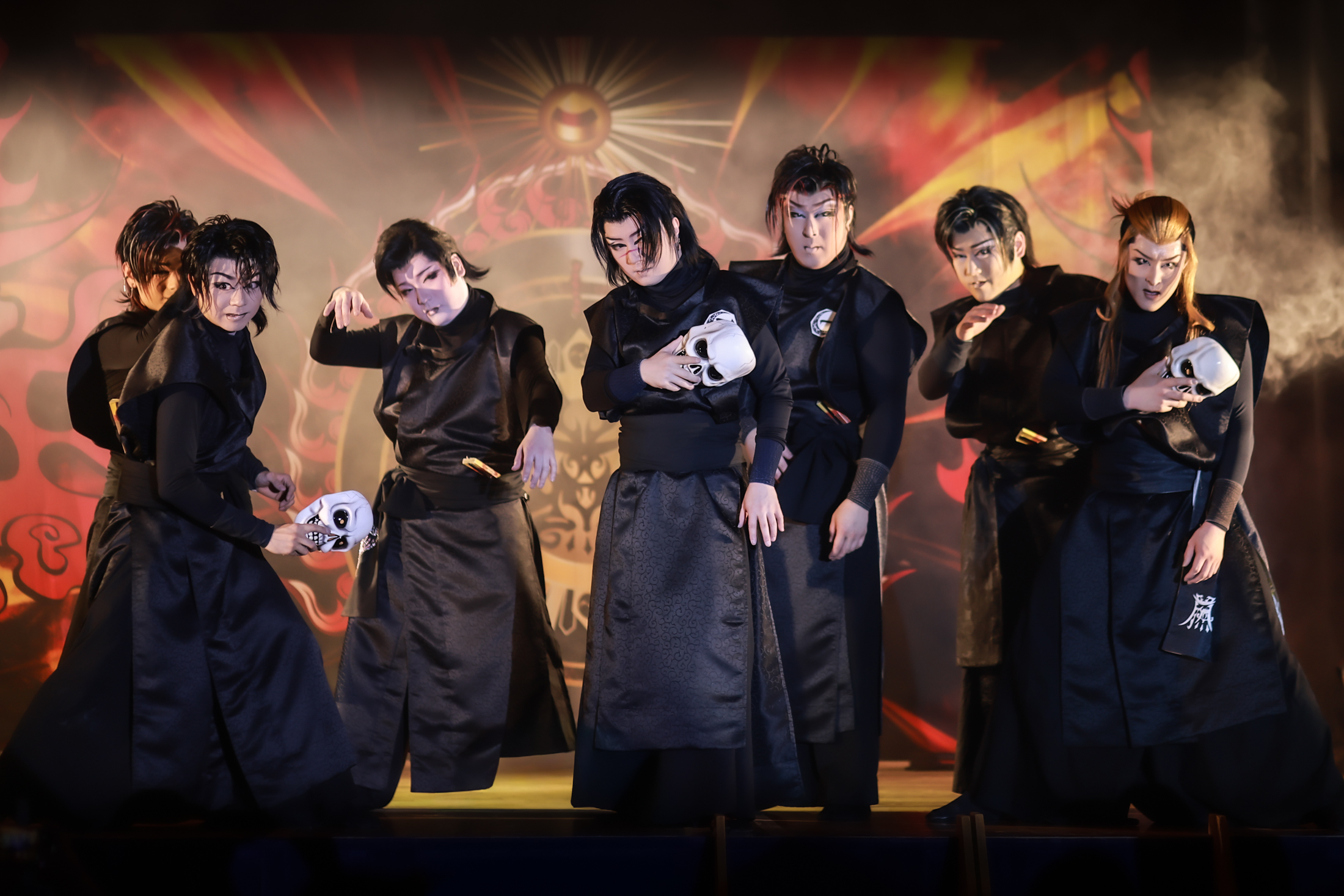
Gekidan Mimatsu, Japanese Theatre Group
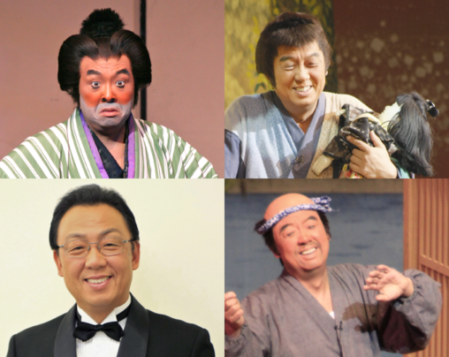
Tomio Umezawa, Taishu Engeki and Japanese Personality
Adapting to Modern Tastes
The art form also proved remarkably adaptable. While traditional songs and enka music remain important, many modern troupes incorporate contemporary music into their dance performances. Today it is not unusual to see actors performing to J-pop, rock, anime songs, or even K-pop. This willingness to evolve has helped Taishu Engeki to remain relevant to newer generations without abandoning it’s roots.
Tomio Umezawa and Mainstream Visibility
One individual who played an important role in keeping the aesthetics of Taishu Engeki visible in mainstream culture was Tomio Umezawa. Known for his breathtaking Onnagata performances, Umezawa became a household name through television appearances and stage productions. His ability to transform into an elegant female character captivated audiences across Japan. At a time when many people had little direct exposure to Taishu Engeki, Umezawa demonstrated the beauty and artistry of the tradition to millions of viewers. While he was not solely responsible for the survival of Taishu Engeki, he helped ensure that it’s distinctive style remained part of Japan’s cultural consciousness.
Embracing the Internet
The arrival of the internet brought another challenge, but also new opportunities. Rather than resisting technology, many troupes embraced it. Social media platforms allow performers to share schedules, behind-the-scenes photos, and updates with fans. These tools help maintain connections between audiences and actors even when a troupe moves to a new theater. In many ways, the internet has become a powerful promotional tool rather than a competitor.
What Makes Taishu Engeki Unique?
Ultimately, Taishu Engeki has survived because it offers something that television and the internet cannot: a live, intimate experience. The atmosphere of the theatre, the elaborate costumes, the emotional performances, and the direct interaction between actors and fans create memories that cannot be replicated through a screen.
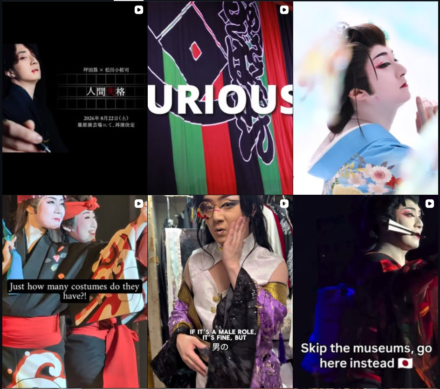
Gekidan Mimatsu Instagram, @matukawa_ani
As entertainment technology continues to evolve, Taishu Engeki still faces challenges, including aging audiences and a shrinking number of theatres. Yet, it’s survival through both the television era and the digital age suggests that there remains a place for authentic human connection. In a world increasingly dominated by virtual experiences, that may be Taishu Engeki’s greatest strength.
Edited & Published by Liam Hallin